
General ed teachers play a crucial role in the IEP process and IEP meetings.
IEP meetings are a pivotal platform for educators, parents, and professionals to develop personalized plans for students with disabilities. While special education teachers play a significant role in these IEP meetings, it is important not to overlook the crucial contributions of general education teachers.
Together, we will explore the significance of general education teachers in IEP meetings, their collaboration with special education teachers, and the importance of their input. Furthermore, we will provide some helpful tips for ensuring that general education teachers can attend these IEP meetings by getting their classes covered.
Collaboration Between General Education and Special Education Teachers
Collaboration between general education and special education teachers is paramount in the IEP process. General education teachers possess valuable insights into the curriculum, instructional strategies, and classroom dynamics. Their collaboration in IEP meetings helps ensure that the student’s educational goals align with the grade-level curriculum.
By sharing observations and experiences of the student in the classroom, general education teachers contribute to the development of appropriate goals and interventions that support the student’s learning within the general education setting.
Learn more about IEP Team Collaboration with Data Collection in this video.
Input from General Education Teachers
General education teachers bring a wealth of knowledge regarding instructional strategies, classroom accommodations, and differentiation techniques. Their input is essential in shaping the IEP goals and objectives to ensure they are attainable within the general education environment.
General ed teachers have first-hand knowledge of the student’s performance and have spent time collecting data that is used to shape the IEP.
They can provide valuable suggestions on modifying or adapting the curriculum to accommodate the student’s learning style or specific needs.
During IEP meetings, general education teachers can offer insights into modifications or adaptations that may be necessary to support the student’s progress. They may suggest alternative assessments or teaching strategies that can better meet the student’s needs. By collaborating with special education teachers and other professionals, general education teachers help create a well-rounded and individualized plan that addresses both academic and functional goals.
Supporting General Education Teachers in Attending IEP Meetings
Attending IEP meetings can be challenging for general education teachers who have their own classes to teach. However, ensuring their attendance is crucial for effective collaboration and planning. Here are some tips for getting a general education teacher’s class covered so they can attend the IEP meeting:
Plan Ahead
Schedule the IEP meeting well in advance to allow sufficient time for arranging coverage.
Coordinate with Administrators
Inform school administrators about the importance of general education teacher participation in IEP meetings. Seek their support in arranging substitute teachers or alternative coverage solutions.
Collaborate with Colleagues
Engage in professional collaboration with fellow teachers who can provide coverage during the meeting. Offer to reciprocate when they need assistance.
Utilize Support Staff
Explore the possibility of utilizing paraprofessionals or teacher assistants to cover the class during the meeting.
Leverage Technology
Consider using video conferencing tools to allow general education teachers to participate remotely if physical attendance is not possible.
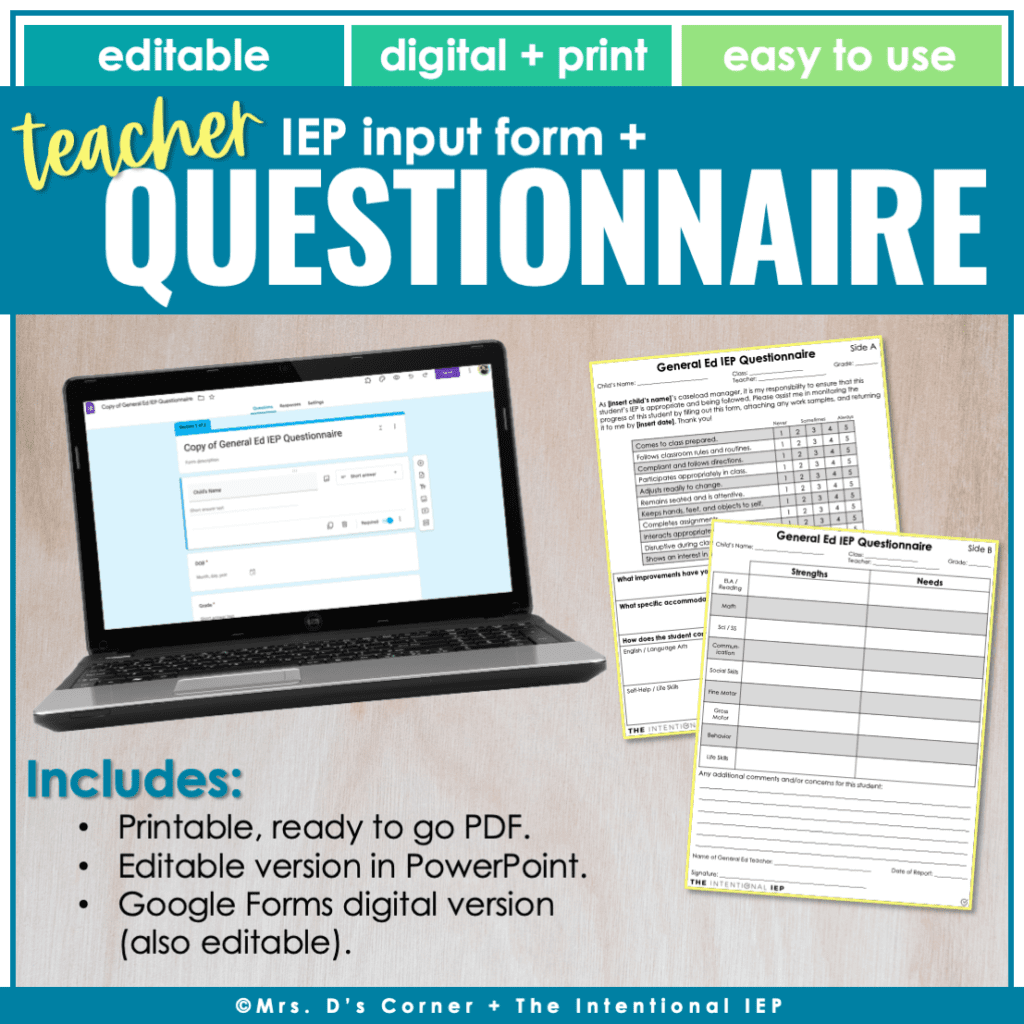
By implementing these strategies, schools can ensure that general education teachers have the opportunity to actively participate in IEP meetings without compromising their classroom responsibilities.
Supporting Inclusion and Student Success
Active participation of general education teachers in IEP meetings promotes a culture of inclusion within schools. Involving them in discussions about student progress and interventions fosters collaboration among educators and creates an inclusive environment that supports the success of students with disabilities.
Furthermore, general education teachers benefit from participating in IEP meetings by gaining a deeper understanding of individual student needs and developing valuable skills in supporting diverse learners.
This collaboration fosters a team approach where educators can learn from each other’s expertise and work together toward creating an inclusive and supportive learning environment for all students.
General education teachers play a vital role in IEP meetings through collaboration and input. Their insights contribute to meaningful goals and interventions for students with disabilities.
By implementing strategies to ensure their attendance at IEP meetings, schools can foster inclusion, collaboration among educators, and ultimately improve outcomes for students with disabilities in general education settings.
An IEP doesn’t begin when you open the document—and the work doesn’t end when everyone leaves the meeting. There’s baseline data to gather, decisions to make, goals to connect, timelines to manage, services to implement, progress to monitor, and adjustments to make along the way. The Intentional IEP System gives special educators one connected way to manage all of it. Build a better system for the IEP work you’re already doing →