
When it comes to explaining what an IEP is, how it corresponds to a child’s education and services, and the legalities surrounding it, it’s important to get it right.
Oftentimes, paras and support staff are hired without a lot of experience in special education. That means they may not be familiar with the complexities of an IEP or special education law.
As the teacher in charge, it is then your responsibility to explain it to them. Here are some ways to do that to ensure that the information is accurate and not overwhelming.
Explaining IEPs
The Basics
Before delving into specific IEPs, make sure that your paras and support staff understand the basics.
The following are things that you might want to stress with them at the beginning:
- The IEP is a legally binding document.
- The I in IEP stands for individualized so the data and goals in each IEP will be tailored to fit that student.
- The document is confidential and should not be discussed freely unless specific permission has been granted.
- The interventions, modifications, and accommodations listed in the IEP must, by law, be followed.
- That paras and support staff should never discuss the IEP with the child’s family on their own.
Individual IEPs
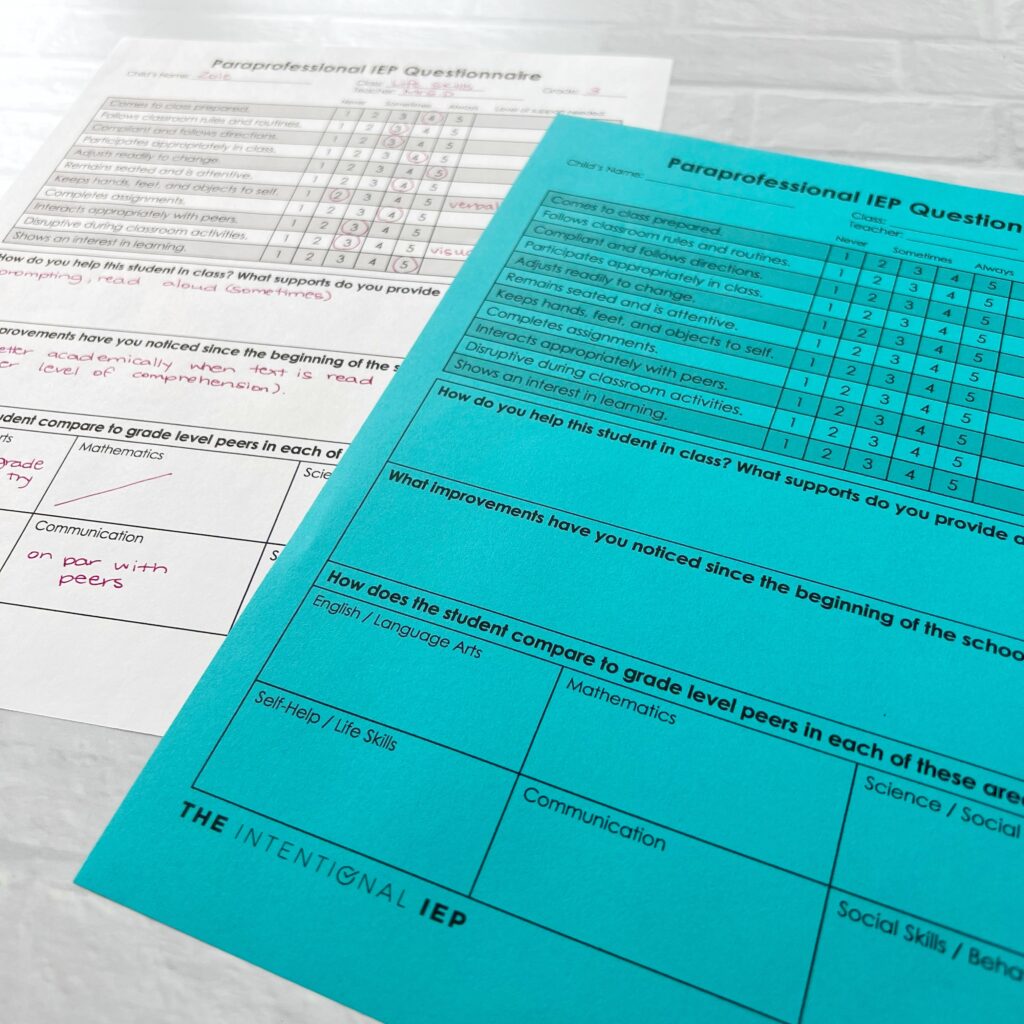
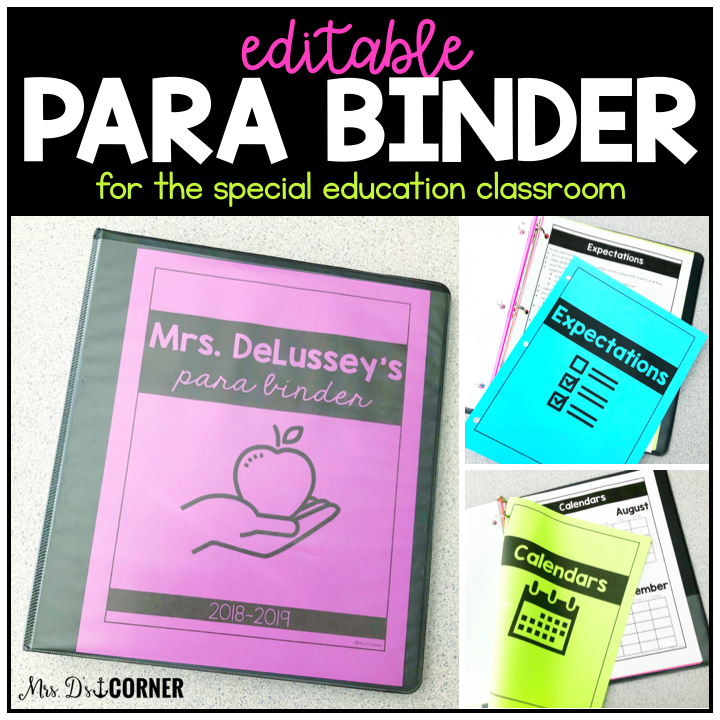
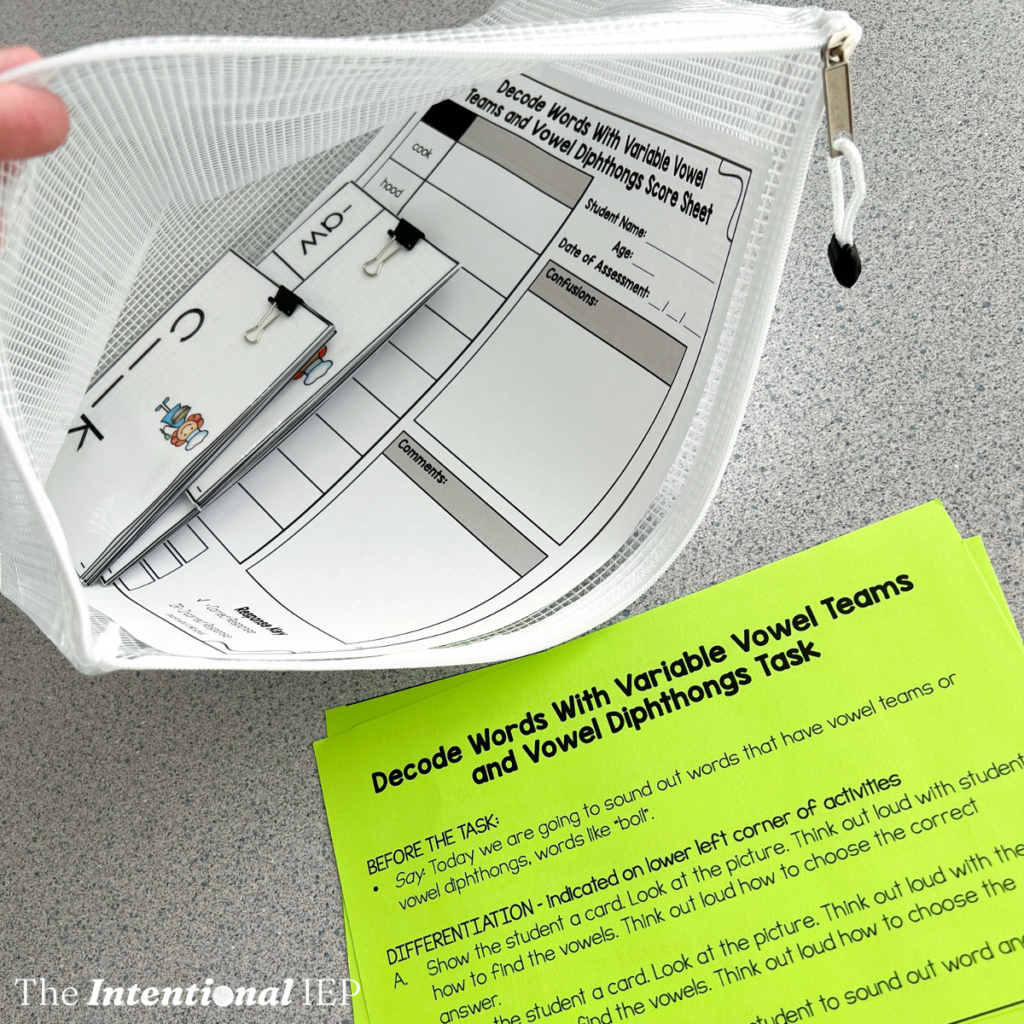
Once you have explained what an IEP is and why students have them, it’s important to loop your paras and support staff in on each child’s IEP. Not only does this help them understand what the goals are for each child, but it helps you and the student as well.
Some things that you might want to discuss with them include the following topics.
- Explain the student’s goals and how they are being assessed. This can lead to a conversation about how the para or support staff can assist with those goals in the classroom.
- Understanding a student’s present levels can also help a para/support staff professional as it gives them a baseline for the student’s current level.
- Knowing what additional supports and services the child is receiving will help your paras and support staff get a bigger picture of the student’s needs, as well as help them understand why and when to help with transitions.
- Accommodations and modifications are large parts of an IEP and it’s important that those working with the student understand exactly what is required. If your student moves from class to class and has multiple paras or works with different support staff throughout the day, make sure that they all know about the accommodations and modifications that the child has in place.
- Any behavior plans that the student has should be included in the information shared with paras and support staff. This helps them understand how to redirect a child and gives them a broader understanding of the student’s needs.
How to Share the Information with Paras and Support Staff
You know what to share, but what is the best way to disseminate the information to paras and support staff? The answer varies.
An IEP Snapshot
If you are content with giving them a basic overview, but do not feel the need to delve further into the specifics of each child’s IEP, a snapshot form for each child is fine. (Remember that all IEP team members who work with the student need to legally receive a copy of the IEP.) It might include the student’s name, date of birth, grade, present levels, goals, accommodations, and modifications.
It is enough information for the para or support staff to get a better understanding of the child, but it does not include the details that are in the IEP.
This is especially helpful for paras and support staff that see a large number of students throughout the week and travel from classroom to classroom.
The Editable IEP at a Glance Brochure | IEP Snapshot Brochure is perfect for this information.

The Entire IEP
Another way to get the information to your paras and support staff is to let them read the entire IEP. This helps them get the complete picture of the child, from parent comments to teacher feedback to testing scores.
For paras that are working 1-1 with a child or who work exclusively in one classroom, this can help them understand the students better and know how to help and support the teacher.
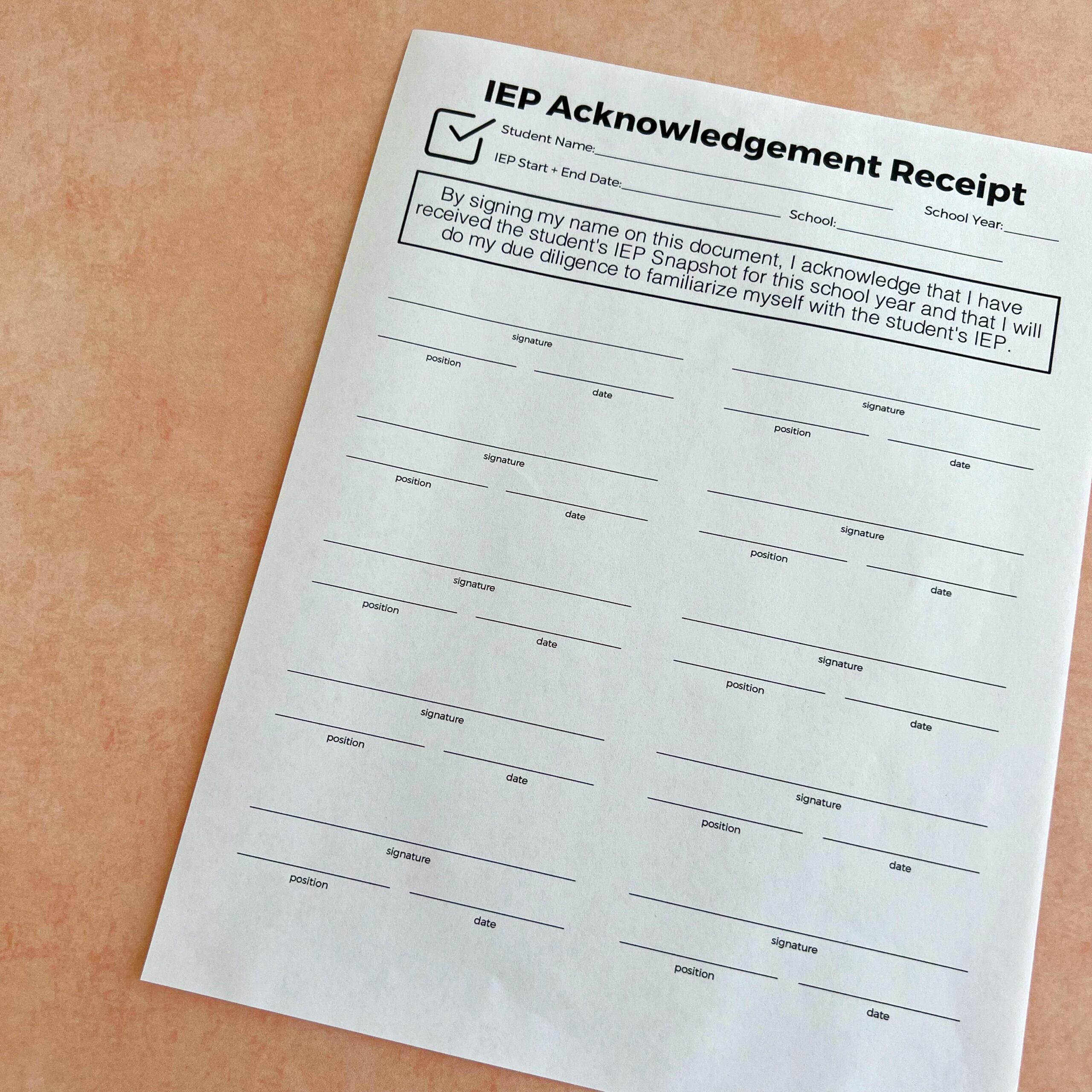
No matter how you provide IEP information to support staff, general ed teachers and other team members, it is always important to collect their signatures acknowledging their receipt of the IEP. Download this template when you join The Intentional IEP here or by clicking the image above.
No matter how you share the information about IEPs with your paras and support staff, the important thing to remember is that they should have some of the information about the student. It will help them help the child and it will also help them help you.

An IEP doesn’t begin when you open the document—and the work doesn’t end when everyone leaves the meeting. There’s baseline data to gather, decisions to make, goals to connect, timelines to manage, services to implement, progress to monitor, and adjustments to make along the way. The Intentional IEP System gives special educators one connected way to manage all of it. Build a better system for the IEP work you’re already doing →