
The development of an Individualized Education Program (IEP) is a collaborative process that ensures students with disabilities receive the services and support they need to thrive. An effective IEP process requires teamwork, clear communication, and a shared commitment to student success. When all team members contribute their expertise and insights, the resulting IEP is more comprehensive and tailored to the Student’s unique needs.
The Importance of Diverse Perspectives in IEP Development
IEP teams typically consist of general education teachers, special education teachers, administrators, related service providers (such as speech or occupational therapists), parents, and sometimes the Student. Each member brings a unique perspective that enriches the IEP process:
- General Education Teachers provide insight into the Student’s performance in a mainstream classroom setting and can offer suggestions for accommodations that support access to the curriculum.
- Special Education Teachers specialize in strategies that help students with disabilities succeed and play a critical role in designing personalized learning plans.
- Administrators ensure compliance with legal requirements and provide resources to support the IEP implementation.
- Related Service Providers contribute expertise in specific areas like speech, motor skills, or mental health, ensuring that the Student’s development is supported holistically.
- Parents are essential advocates who provide valuable information about the Student’s strengths, challenges, and needs beyond the school environment.
- The Student (when appropriate) can offer personal insight into their own learning experiences, goals, and preferences.
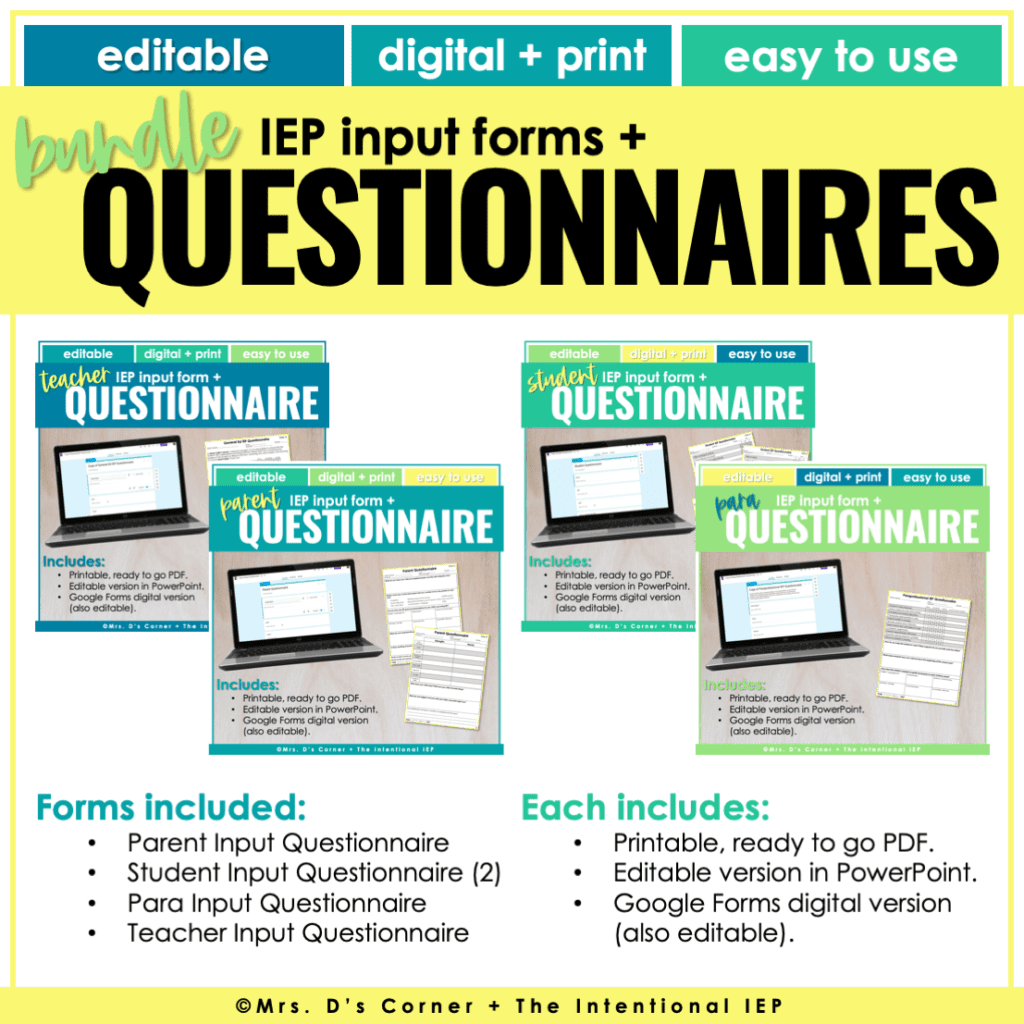
By valuing and incorporating each perspective, the IEP team creates a plan that is well-rounded and fully addresses the Student’s needs.
Strategies for Effective Team Communication
Successful collaboration depends on open, respectful, and productive communication. Here are key strategies to ensure effective discussions and decision-making during IEP meetings.
1. Active Listening
- Encourage all team members to listen attentively before responding.
- Acknowledge and validate the perspectives of others by paraphrasing key points.
- Avoid interrupting or dismissing concerns—every member’s input is valuable.
2. Respectful Disagreement
- Recognize that differing opinions can lead to stronger, more effective IEPs when managed constructively.
- Use “I” statements to express concerns without assigning blame (e.g., “I feel that this accommodation might not fully meet the student’s needs because…”).
- Focus on finding solutions rather than debating who is right.
3. Consensus Building
- Aim for decisions that reflect the collective input of the team rather than one individual’s preference.
- When disagreements arise, return to the Student’s needs as the central guiding factor.
- Use a structured decision-making process to ensure everyone has an opportunity to voice their perspective before reaching a conclusion.


Techniques for Incorporating Input from All Team Members
It’s important to ensure that everyone has an opportunity to contribute meaningfully to the IEP process. Here are some techniques to facilitate equitable participation:
1. Pre-Meeting Surveys
- Distribute surveys before the IEP meeting to gather input from teachers, parents, and service providers. These digital forms are a great way to do this!
- Use surveys to identify areas of concern, document progress, and suggest possible accommodations or goals.
- Provide space for open-ended responses to allow team members to share unique insights.
2. Structured Brainstorming Sessions
- Dedicate time in meetings for team members to share ideas freely before discussing specific decisions.
- Use visual tools like whiteboards, sticky notes, or digital collaboration platforms to organize ideas.
- Ensure that quieter team members have opportunities to speak by actively inviting their input.
3. Role-Specific Contribution Guidelines
- Clearly define what each team member is expected to contribute to the IEP process.
- Provide written guidelines outlining the responsibilities of general education teachers, special education teachers, therapists, parents, and administrators.
- Encourage members to prepare specific data or observations relevant to their role in advance of the meeting.
Building a Collaborative IEP Culture
For collaboration to be consistently effective, schools should foster an ongoing culture of teamwork and shared responsibility.
- Schedule Regular Check-Ins: Instead of only meeting annually, create opportunities for informal discussions and progress updates throughout the school year.
- Professional Development: Offer training on effective IEP collaboration, communication strategies, and conflict resolution.
- Encourage Family Engagement: Provide resources and workshops to help parents understand their role in the IEP process and feel empowered to contribute. Make sure to provide them with an acronym cheat sheet as well!
A well-functioning IEP team is essential for creating meaningful, personalized education plans that support student success. By valuing diverse perspectives, employing effective communication strategies, and using structured techniques to gather input, IEP teams can work together to develop comprehensive plans that truly meet students’ needs. With intentional collaboration, the IEP process becomes a powerful tool for enhancing educational opportunities and fostering student achievement.
Your district’s IEP platform gives you a place to document the IEP. The Intentional IEP System was built for the work happening around it. Created by a veteran special educator, the system brings together practical workflows, professional guidance, screeners, goals, data tools, planning support, and more to help you confidently manage the IEP process without handing your professional judgment over to software. Explore the educator-led IEP management system →