
In special education, strong parent-teacher relationships are a key part of Individualized Education Program (IEP) success. But what happens when parents don’t respond, don’t show up for meetings, or seem like they don’t want to be involved at all? It can feel frustrating, especially when you’re doing everything you can to connect.
The truth is, not all parents show up in the same way. Some are deeply involved but quiet. Others may be overwhelmed by life, work, trauma, or past school experiences. If you’re a special education teacher or IEP team member trying to build positive relationships with parents who seem absent, you’re not alone. Together we will explore multiple ways to stay consistent, build trust, and support families, even when communication is one-sided.
Understanding What You Can’t See
It’s easy to take silence as a lack of care, but often, there’s more happening than we know. Parents may be dealing with work schedules, other children with needs, lack of transportation, mental health struggles, or even their own difficult memories of school.

Some parents want to be involved but don’t know how to help. Others may feel shame, fear, or uncertainty. It’s important to lead with empathy. Just because a parent doesn’t respond doesn’t mean they’re not in tune with what’s happening. And just because they don’t participate in the IEP meeting doesn’t mean they don’t care.
Keep Showing Up
Consistency builds trust. Even when parents don’t respond, keep sending updates. Share small wins, celebrate growth, and make your messages friendly and clear. You don’t have to write paragraphs. A quick note like “Stephanie did a great job using his calming strategy today!” goes a long way.
Use multiple ways to communicate, like phone calls, texts, emails, paper notes, or communication apps. You might not hear back, but they’re likely still reading and listening.
Look for Small Openings
Sometimes parents engage in ways we don’t expect. A short response to a text, a quick thank-you at pick-up, or a question about their child’s day can be a starting point. Take that moment and build from it. Keep your tone warm, non-judgmental, and focused on the child.
If a parent does show up for a meeting, thank them for their time. If they don’t, leave the door open with an invite to connect another day. Don’t take the no personally. Keep trying.
You Are Still Making a Difference
When you’re the one calling, emailing, and sending updates with no reply, it can feel like a one-way street. But your effort matters. It models consistency and care for the child and lets parents know someone is in their corner. Your steady presence may be one of the few stable things they can count on. Even when it’s silent, you are helping build a bridge of trust. Sometimes that bridge takes a year. Sometimes it takes many. But it starts with you.

What to Do When Parents Don’t Fill Out IEP Input Forms
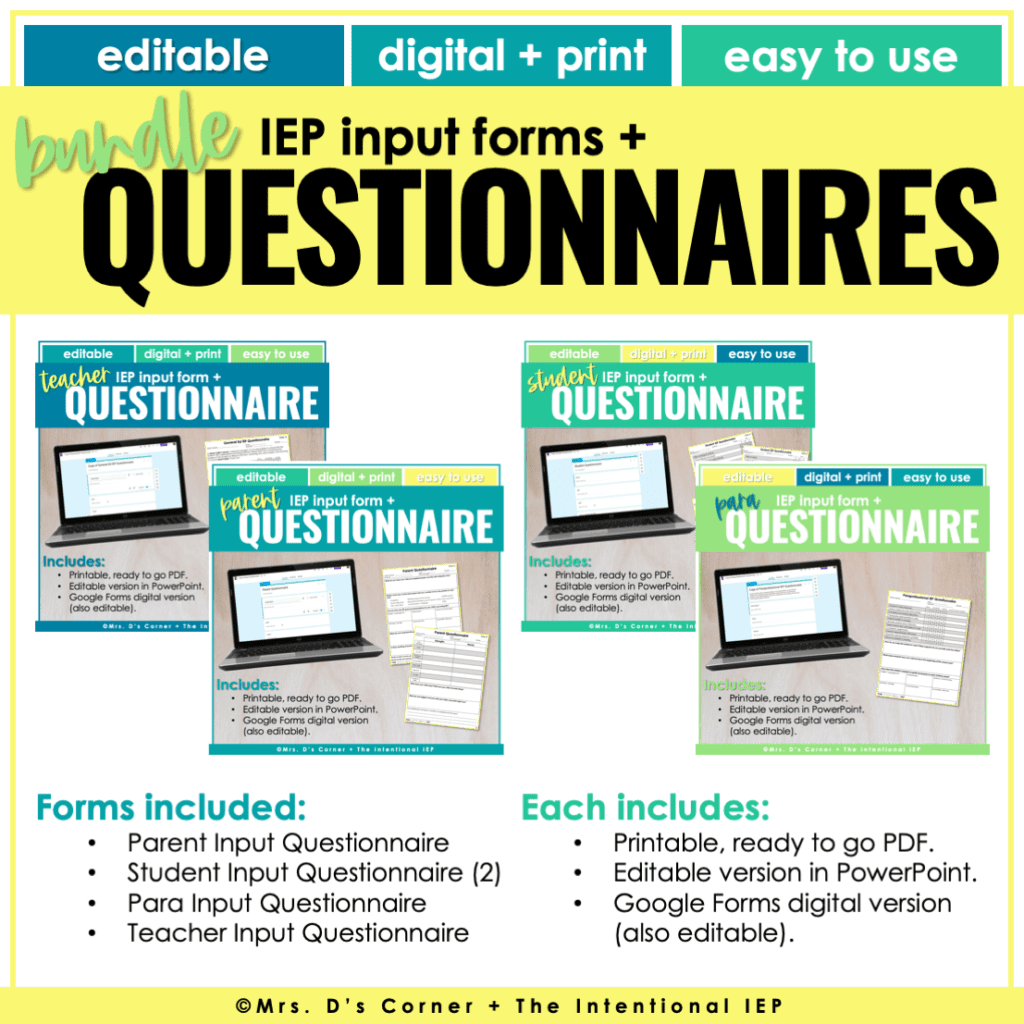
When parents don’t return input forms or respond to communication attempts, it can feel tricky to include their voice in the IEP, but it’s still possible and important. Here’s how you can respectfully and ethically represent the parent’s perspective:
1. Document Your Communication Efforts
Keep a log of your attempts to reach out, including dates, methods (calls, emails, texts, notes home), and what you shared or asked. This shows that you’ve made genuine efforts to include them and helps demonstrate compliance.
2. Use What You Already Know
Even if a parent isn’t filling out the forms you send home, they’ve likely shared thoughts during earlier meetings, drop-offs, pick-ups, or casual conversations. Consider what they’ve expressed in the past about their child’s needs, strengths, challenges, or goals.
You can summarize this input in the IEP like this:
“Based on previous conversations and interactions, the parent has shared that they want to [insert feedback].”
3. Add a Statement Reflecting Their Perspective
If you have no recent input but still want to acknowledge their role, include a neutral, respectful line such as:
“The IEP team made multiple attempts to gather updated input from the parent. At this time, parent input reflects prior conversations regarding support for growth in [area]. The team remains open and ready to adjust based on future parent feedback.”
4. Leave Room for Future Input
Make it clear the team values their voice and is open to their input at any time. You can note:
“The team welcomes additional input from the parent and will reconvene if necessary to review or revise the IEP.”
5. Keep the Tone Respectful and Student-Focused
Avoid saying things like “The parent didn’t respond” or “The parent failed to…” Instead, use language that shows understanding:
“The parent was unavailable for input during the IEP development process. The team will continue to provide opportunities for engagement.”
Even without direct input, your efforts to represent their perspective with care, professionalism, and patience can help maintain a positive relationship going forward.
Working with parents who seem disengaged from the IEP process is hard. But in special education, showing up anyway is part of the work. Keep sending those notes. Keep leaving the door open. Stay positive and patient. You may not always see the impact right away, but you are planting seeds of connection.
And over time, those seeds can grow into trust, collaboration, and partnership. That’s what makes a difference for your students. Because when families and schools work together, even quietly, kids win.

Writing the IEP is only one part of managing it. The Intentional IEP System helps special education teachers manage the work before, during, and after the meeting—from baselines and goals to timelines, implementation, progress monitoring, and everything in between. Instead of piecing together another resource every time something comes up, you’ll have one educator-led system designed to help you know what to do, have what you need, and know what’s next. See how The Intentional IEP System works →