
Navigating an Individualized Education Program (IEP) meeting can be complex for parents. Coming prepared with thoughtful and specific questions can help clarify the supports their child needs to succeed in the classroom and give parents a voice of confidence during the meeting. Below are expanded questions that parents can ask, along with explanations for why each question is important.
Questions to Ask About General Support and Accommodations
What accommodations are currently in place for my child?
Knowing what accommodations are already provided offers insight into the current support structure. It allows parents to assess if these accommodations effectively meet their child’s needs or if further adjustments are necessary. This foundational understanding helps ensure that the IEP is built on a solid base of current practices and their child’s present levels of performance.
What modifications can be made to assignments or tests to help my child succeed?
Tailoring assignments and assessments can significantly impact a child’s ability to demonstrate learning. This question encourages educators to discuss specific strategies they may use, such as extended time, alternative formats, or simplified instructions. Understanding these options helps parents advocate for adjustments that align with their child’s learning style.
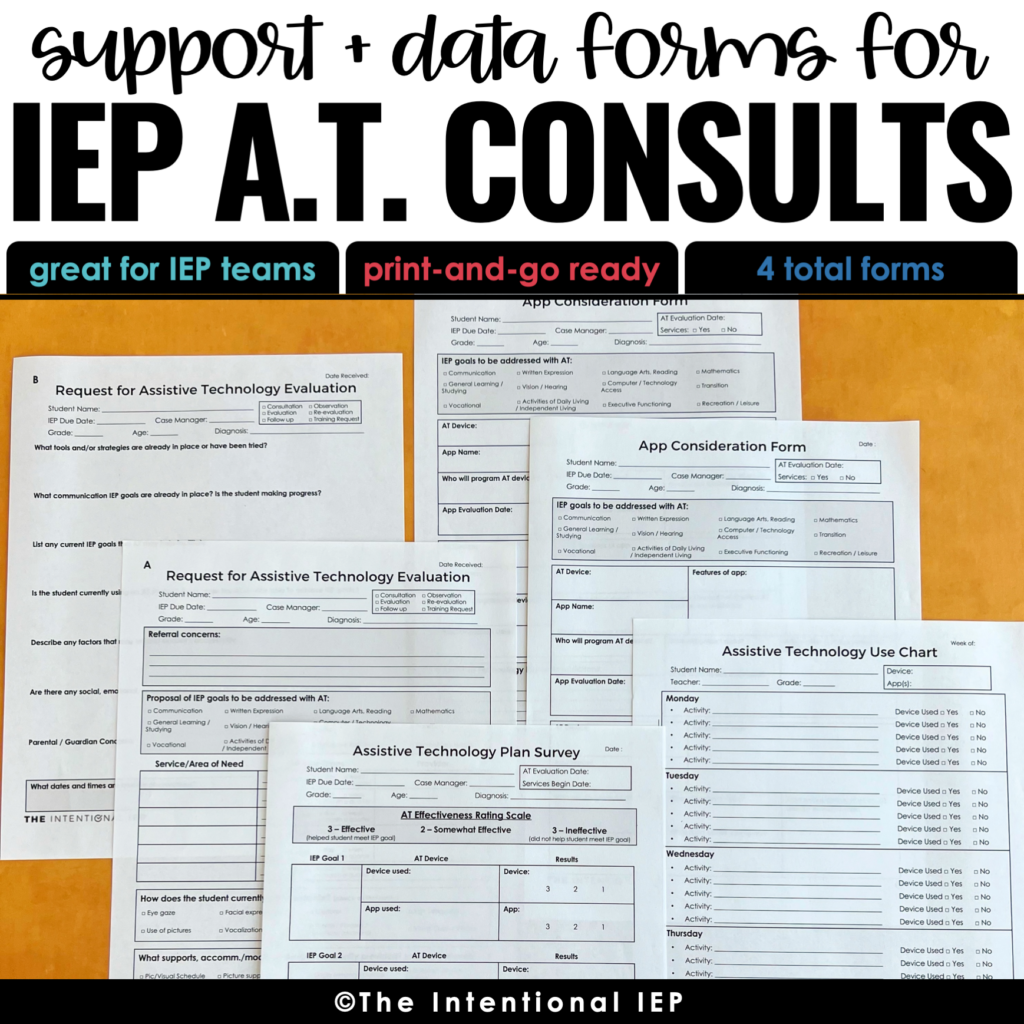
How is assistive technology being used to support my child?
Assistive technology can play a crucial role in helping children access the curriculum and enhance their learning experience. By asking this question, parents can explore available tools like text-to-speech software, audiobooks, or communication devices. Understanding how these technologies are integrated provides insights into how they can enhance their child’s educational experience.
What are the social or behavioral supports in place for my child?
Social skills and emotional well-being are critical components of a child’s overall development. This question helps ensure that supports are not limited to academics but also address social interactions and emotional regulation. Knowing what behavioral interventions are in place can help parents reinforce these strategies at home.
What classroom environments or teaching methods work best for my child?
Different children thrive in different environments and learning styles. By discussing which settings and instructional methods resonate most with their child, parents can collaborate with educators to create an optimal learning atmosphere. This understanding can lead to adaptations that improve engagement and academic success.
Questions Specific to Student Needs
What are my child’s specific strengths and challenges in the classroom?
Identifying strengths fosters confidence while recognizing challenges highlights areas that require additional support. This question promotes a balanced view of the child’s capabilities, allowing parents and educators to work together on strategies that leverage strengths while addressing weaknesses.
How does my child’s disability impact their learning or behavior in the classroom?
Understanding the specific effects of a child’s disability on their learning processes is vital for tailoring effective interventions. This question allows parents to gain insight into how their child’s unique challenges manifest in the classroom environment, leading to targeted support strategies.
How will my child’s progress be monitored, and how often will I receive updates?
Regular communication about progress is essential for effective collaboration between home and school. This question ensures that parents know how success is measured and when they can expect updates, allowing them to be active participants in their child’s educational journey.
What specific goals are included in the IEP, and how were they determined?
Asking about the goals outlined in the IEP ensures that they are relevant, measurable, and appropriate for the child’s current level of performance. This question invites discussion on how goals align with both academic standards and the child’s personal growth trajectory.
What related services (e.g., speech therapy, occupational therapy) will my child receive?
Clarifying any additional services helps parents understand the full scope of support available to their child beyond classroom instruction. Knowing what related services are included allows parents to coordinate efforts between home and school, ensuring comprehensive support.


Questions to Ask About Collaborating with the School
How will teachers and support staff be informed about and implement my child’s IEP?
Understanding how the IEP is communicated among educators is crucial for consistent implementation. This question helps ensure that all staff members are aware of the supports and strategies outlined in the IEP, promoting a cohesive approach to the child’s education.
What can we do at home to support the goals of the IEP?
Collaboration between home and school enhances consistency in support for students. This question encourages teachers to provide specific strategies or activities that parents can engage in at home, reinforcing learning and helping achieve IEP goals.
How are transitions (e.g., moving between activities, classrooms) managed for my child?
Transitioning between activities or settings can be challenging for many children, particularly those with disabilities. This question allows parents to understand how schools provide support during these times, which can help reduce anxiety and improve overall comfort in the school environment.
What strategies will be used if my child is struggling academically or behaviorally?
Early intervention is key to supporting students who face challenges. By discussing strategies that will be employed if difficulties arise, parents can gain reassurance that there is a proactive plan in place to address potential problems before they escalate.
How are peer interactions and social skills being developed in the classroom?
Social development is essential for children’s overall well-being and future success. This question explores how the IEP addresses opportunities for peer interaction and social skills development, ensuring a well-rounded approach to education.
Don’t Be Afraid to Ask the Questions
Asking these questions before or during an IEP meeting can significantly enhance a parent’s understanding of their child’s needs and supports. Each question serves a purpose, whether clarifying existing accommodations or exploring new strategies for success. By actively engaging in this process, parents can help create an effective educational plan that promotes their child’s growth and success both inside and outside the classroom.
Advocating for your child is an ongoing journey – stay engaged, informed, and proactive! Don’t be afraid to ask the questions.

An IEP doesn’t begin when you open the document—and the work doesn’t end when everyone leaves the meeting. There’s baseline data to gather, decisions to make, goals to connect, timelines to manage, services to implement, progress to monitor, and adjustments to make along the way. The Intentional IEP System gives special educators one connected way to manage all of it. Build a better system for the IEP work you’re already doing →