
Paras in the special education classroom are essential for helping students reach their full potential. To ensure that paras can provide quality support to their students, it is vital that they receive regular training on a range of topics.
Here are seven para trainings to consider:
Para Trainings for the School Year
1. Classroom Management
Classroom management is a crucial aspect of effective teaching. It encompasses a range of strategies and techniques that teachers use to create a positive learning environment and promote student engagement. This includes everything from establishing clear rules and expectations to managing student behavior and fostering a sense of community in the classroom.
When paraprofessionals receive classroom management training, they better understand these strategies and techniques and how to implement them effectively in the classroom. This can help them to better support teachers in creating a positive learning environment and promoting student engagement.
One key benefit of training paraprofessionals in classroom management is increased consistency in behavior management strategies. When paraprofessionals are trained in the same techniques and strategies as teachers, they can help reinforce these strategies and provide additional support to students struggling with behavior issues. This can create a more consistent and effective classroom behavior management approach.
2. Disability Awareness and Understanding
Disability awareness and understanding training can help paraprofessionals better understand the unique needs and challenges facing students with disabilities. This includes understanding different types of disabilities, such as physical, sensory, and intellectual disabilities, as well as how these disabilities can impact learning and behavior in the classroom.
Through this training, paraprofessionals can learn effective strategies for supporting students with disabilities. This may include techniques for adapting classroom materials or activities to meet the needs of students with disabilities, as well as strategies for communicating with students and addressing behavior issues in a way that is sensitive to their individual needs.
This type of training also helps to promote empathy and understanding.
3. Adaptive Technology
By learning how to use various types of adaptive technology, such as screen readers, text-to-speech software, and alternative input devices, paraprofessionals can work more effectively with students who may require additional support and guidance in accessing digital content.
4. Positive Behavior Support Strategies
Training paraprofessionals in PBS strategies can help them understand the principles of PBS, including the importance of reinforcing positive behaviors, setting clear expectations, teaching replacement behaviors, and using consistent strategies across different settings. This knowledge can enable paraprofessionals to work more effectively with teachers to create a supportive and structured learning environment that fosters positive behavior.
5. Individual Education Programs (IEPs)
In addition to understanding the IEP document, training can help paraprofessionals develop their skills in implementing the strategies and accommodations outlined in the IEP with the guidance of the special ed teacher. This may include skills such as providing academic support, modifying classroom materials, or adapting assessments to meet the student’s unique needs.
6. Communication Strategies
Paraprofessionals should receive training in communication strategies to communicate effectively with students, teachers, and families.
Effective communication strategies help paraprofessionals to build positive relationships with students and provide them with the support and guidance they need to succeed. For example, paraprofessionals can use active listening skills to understand students’ needs and concerns and respond in an empathetic and supportive manner.


In addition to communicating with students, paraprofessionals also need to communicate effectively with teachers and other education team members. This may include communicating information about student progress, sharing insights about student behavior, or collaborating with teachers to develop effective learning strategies.
Communication strategies training can also help paraprofessionals develop their interpersonal and conflict resolution skills. These skills are critical for managing challenging situations in the classroom, such as behavior issues or conflicts between students.
7. Special Education Law and Regulations
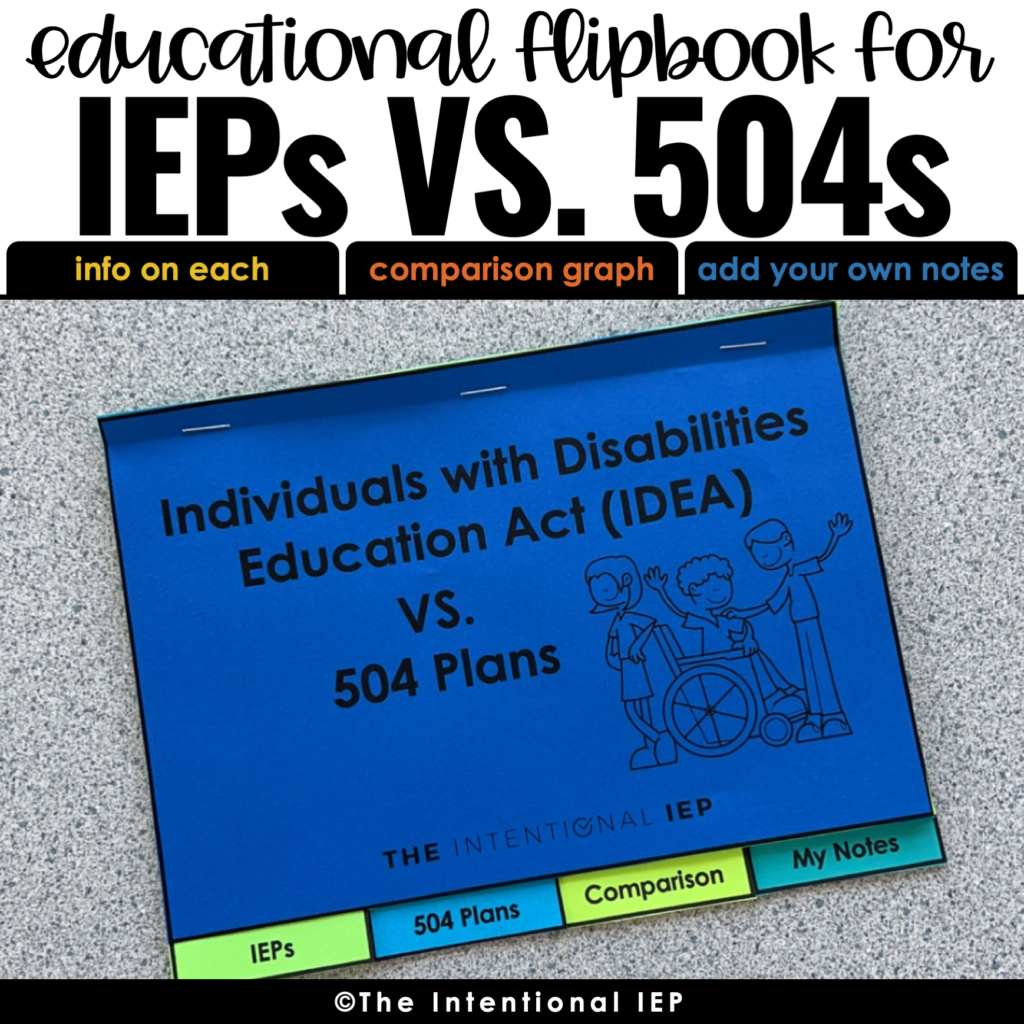
Training in special education law can help paraprofessionals understand the legal framework governing special education, including Section 504 of the Rehabilitation Act, the Individuals with Disabilities Education Act (IDEA), and the Americans with Disabilities Act (ADA). This knowledge can enable them to effectively advocate for the rights of students with disabilities and ensure that they receive the support and accommodations they need to succeed.
Paraprofessionals play an essential role in supporting students with disabilities in the classroom. However, to be effective in their position, paras need to receive training on a wide range of topics related to disability awareness, adaptive technology, positive behavior support strategies, IEPs, communication strategies, special education law, and other relevant topics.
Training in these areas can help paraprofessionals gain a better understanding of the unique needs and challenges facing students with disabilities and develop the skills and knowledge necessary to provide effective support. It can also help paraprofessionals become more effective advocates for the needs of students with disabilities.
By investing in training for paraprofessionals, educators and administrators can help ensure that every student receives the support and accommodations they need to succeed academically, socially, and emotionally.
Writing the IEP is only one part of managing it. The Intentional IEP System helps special education teachers manage the work before, during, and after the meeting—from baselines and goals to timelines, implementation, progress monitoring, and everything in between. Instead of piecing together another resource every time something comes up, you’ll have one educator-led system designed to help you know what to do, have what you need, and know what’s next. See how The Intentional IEP System works →