
IEP compliance is one of the most important responsibilities for special education teachers and IEP team members. It means following the laws, timelines, and requirements that protect the rights of students with disabilities and ensure their Individualized Education Programs (IEPs) are carried out as written. IEP compliance isn’t just about paperwork or checking boxes. It’s about making sure each student is getting the supports, services, and accommodations they are legally entitled to receive.
When IEPs are followed with fidelity, students can make meaningful progress toward their goals. But when compliance is ignored or misunderstood, it can lead to legal issues, gaps in services, and harm to student learning. That’s why it’s so important for every educator involved in the IEP process – whether you’re a seasoned case manager, a brand-new teacher, or a para – to understand what compliance looks like in everyday practice.
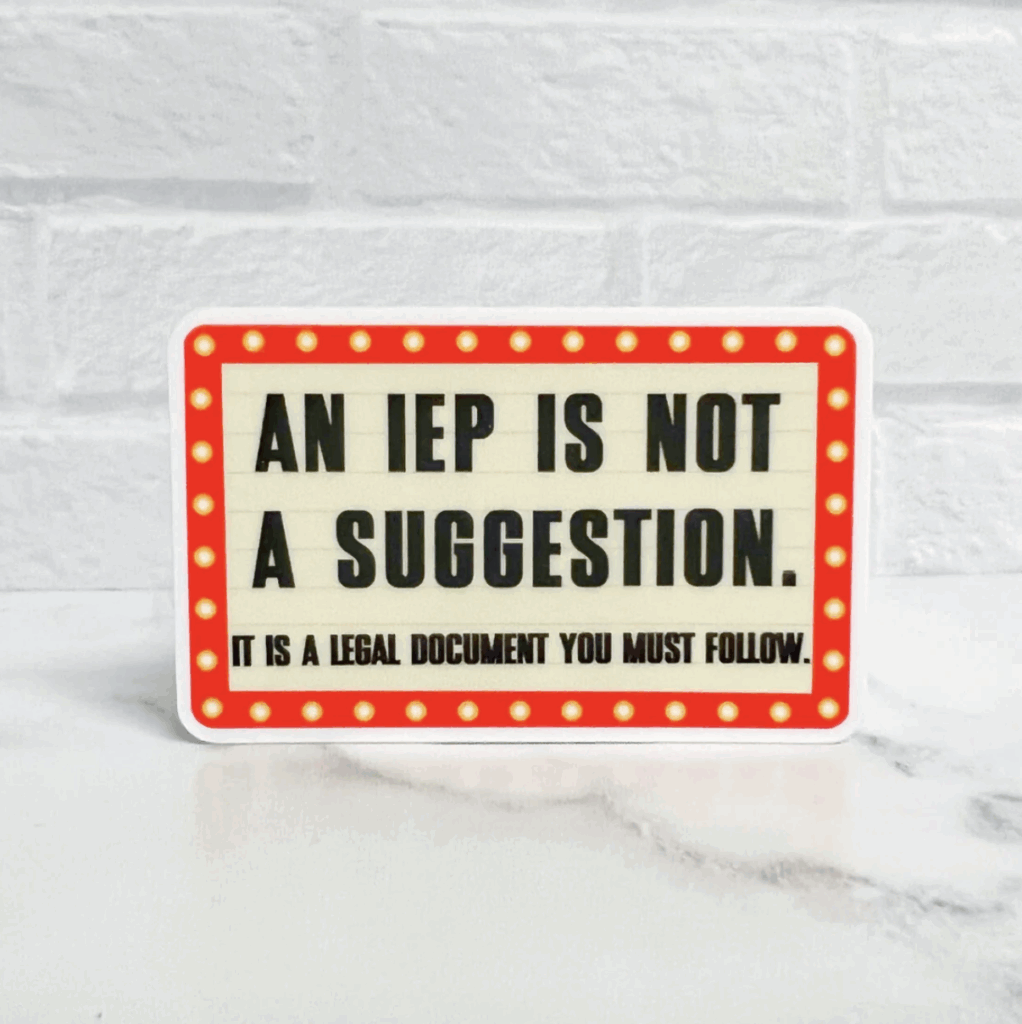
What Does IEP Compliance Look Like?
At its core, IEP compliance means doing what the IEP says. That includes delivering the accommodations and modifications, services, and specially designed instruction that the IEP outlines. It also means tracking progress on IEP goals, sharing updates with families, and holding meetings on time.
Compliance also includes the responsibility to keep student information private. IEPs contain sensitive personal and educational information that must be protected. Talking about students in shared spaces, leaving documents out in the open, or oversharing with staff who are not part of the IEP team can all lead to violations of student privacy… and potentially, legal trouble for the school or district.
Confidentiality and the Law: IDEA and FERPA
The Individuals with Disabilities Education Act (IDEA) makes it clear that IEPs are confidential records. Only the people who are directly involved in planning and supporting a student’s education should have access to their IEP. That includes special education teachers, general education teachers, related service providers, administrators, and paraprofessionals – if their job duties require them to know that information.
In addition to IDEA, the Family Educational Rights and Privacy Act (FERPA) protects all student educational records, including IEPs. Under FERPA, schools must keep student data safe and limit access to only those with a “legitimate educational interest.” This means you cannot talk about a student’s disability, services, or challenges in front of others who aren’t part of that child’s educational team.
Keeping Student Information Confidential
There are many simple ways to keep student information secure in a school setting. Lock student files in a drawer when you’re not using them. Password protect digitally stored information. Close your computer screen when you step away. Avoid discussing students in the hallway, breakroom, or teacher’s lounge. If you need to collaborate, find a private space or send a secure message. Keep printed IEPs out of sight and use initials when talking about students in front of others who don’t need to know their names.
When you work with paraprofessionals or support staff, it’s your job as the teacher or case manager to model confidentiality. It can be helpful to set expectations early and clearly. For example, you might say, “We don’t talk about students in the hallway,” or “That information stays between us and the team.” A quick reminder can help stop the habit before it becomes a bigger issue.
What To Do When Confidentiality is Broken
Sometimes, a paraprofessional or team member might share too much without realizing it. Maybe they vent about a student in a public space or talk about an IEP meeting in front of another parent. In these cases, it’s important to have a respectful but firm conversation. You can start by saying, “I know you care about our students, but we have to be really careful about what we say and where we say it.” You can remind them that all IEP information is private, and that protecting student confidentiality is a legal and ethical duty.

If the behavior continues after you’ve addressed it, it may be time to involve an administrator or ask for additional training for the team. Everyone who works with students in special education has a role in keeping student information safe.
Being part of an IEP team means more than just attending meetings or checking a box on a to-do list. It means showing up every day ready to serve students, follow through on services, and protect their privacy. IEP compliance isn’t just a legal obligation, it’s a commitment to equity and student success.
Whether you’re tracking progress, delivering SDI, or training a new para, your actions help ensure that students with disabilities get the education they deserve. When in doubt, follow the IEP, protect student data, and don’t be afraid to speak up if something feels off. The stronger our systems of compliance and confidentiality, the stronger our support for students becomes.
An IEP doesn’t begin when you open the document—and the work doesn’t end when everyone leaves the meeting. There’s baseline data to gather, decisions to make, goals to connect, timelines to manage, services to implement, progress to monitor, and adjustments to make along the way. The Intentional IEP System gives special educators one connected way to manage all of it. Build a better system for the IEP work you’re already doing →