
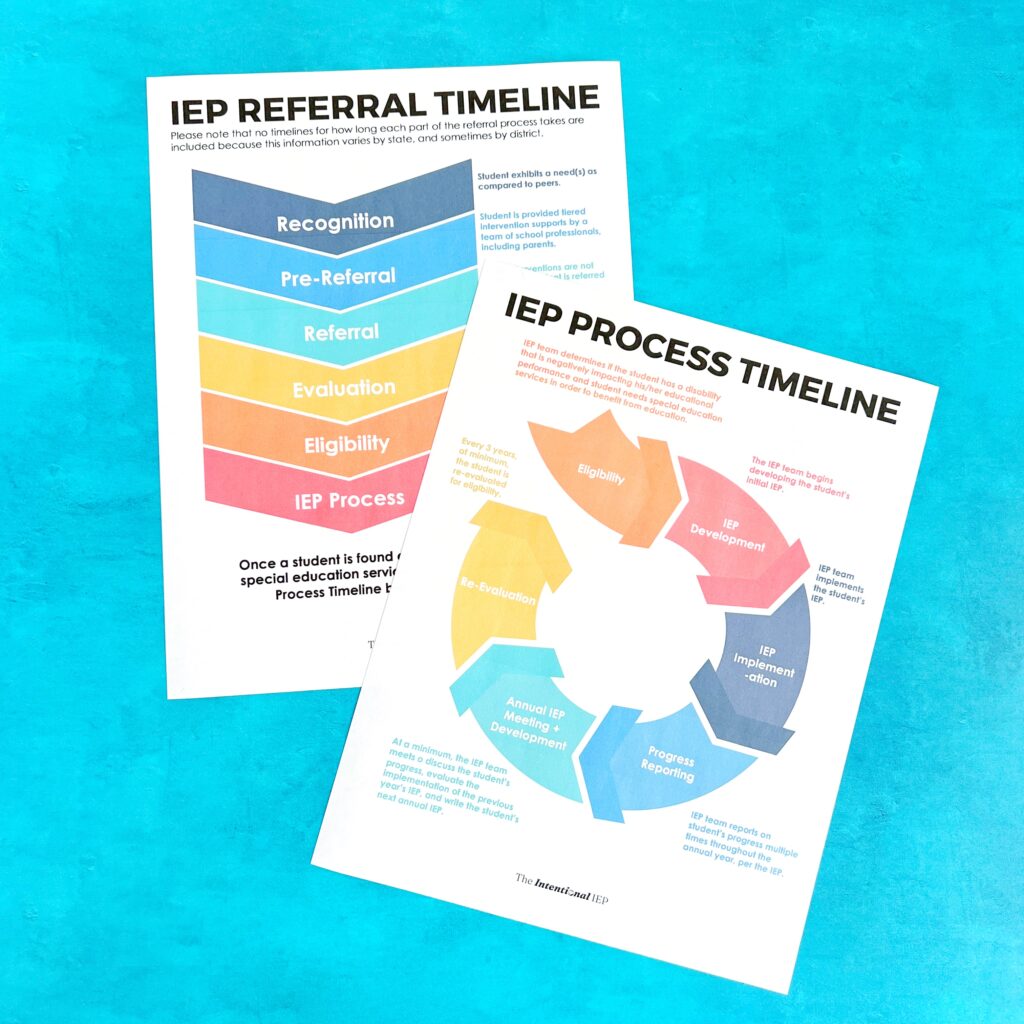
When a student goes through a re-evaluation for special education, which happens a minimum of every 3 years per the IDEA, it’s easy to feel overwhelmed by all the testing tools and terminology.
From screeners to diagnostic assessments, observations to rating scales, there are many ways the team gathers data to understand how a student is doing and what supports they need. Knowing what these assessments are, how they work, and why they’re used can help teachers, parents, and IEP teams make more informed and data driven decisions.
What’s the Difference Between a Screener and a Diagnostic Assessment?
Screeners and diagnostic tools are not the same. A universal screener is a quick check that helps schools identify students who may be at risk for academic or behavior struggles. These are often given to all students, not just those in special education. Think of it like a vision test at the nurse’s office—it shows who might need further support.
A diagnostic assessment, on the other hand, is much more detailed. It’s used when there is already a concern, and the goal is to figure out exactly what the challenge is. These are often part of an evaluation or re-evaluation for special education and are tailored to the student’s specific needs.
Common Types of Assessments Used in Re-Evaluations
Here’s a breakdown of the types of assessments IEP teams might use during a re-evaluation. This includes who typically administers the test, how long it takes, what it measures, and what the results help the team learn.
A universal screener, like DIBELS or AIMSweb, is usually given by the classroom teacher or reading specialist. It takes about 5 to 15 minutes per student and looks at early reading, math, or behavior skills. These screeners are used to flag students who may need more support, not to make an IEP decision.
A diagnostic achievement test, such as the Woodcock-Johnson or WIAT, is given by a school psychologist or special education teacher. These take about 1 to 2 hours and measure skills in reading, writing, and math. These tools provide a deep look at academic strengths and gaps, which help the team decide what instruction or support is needed.
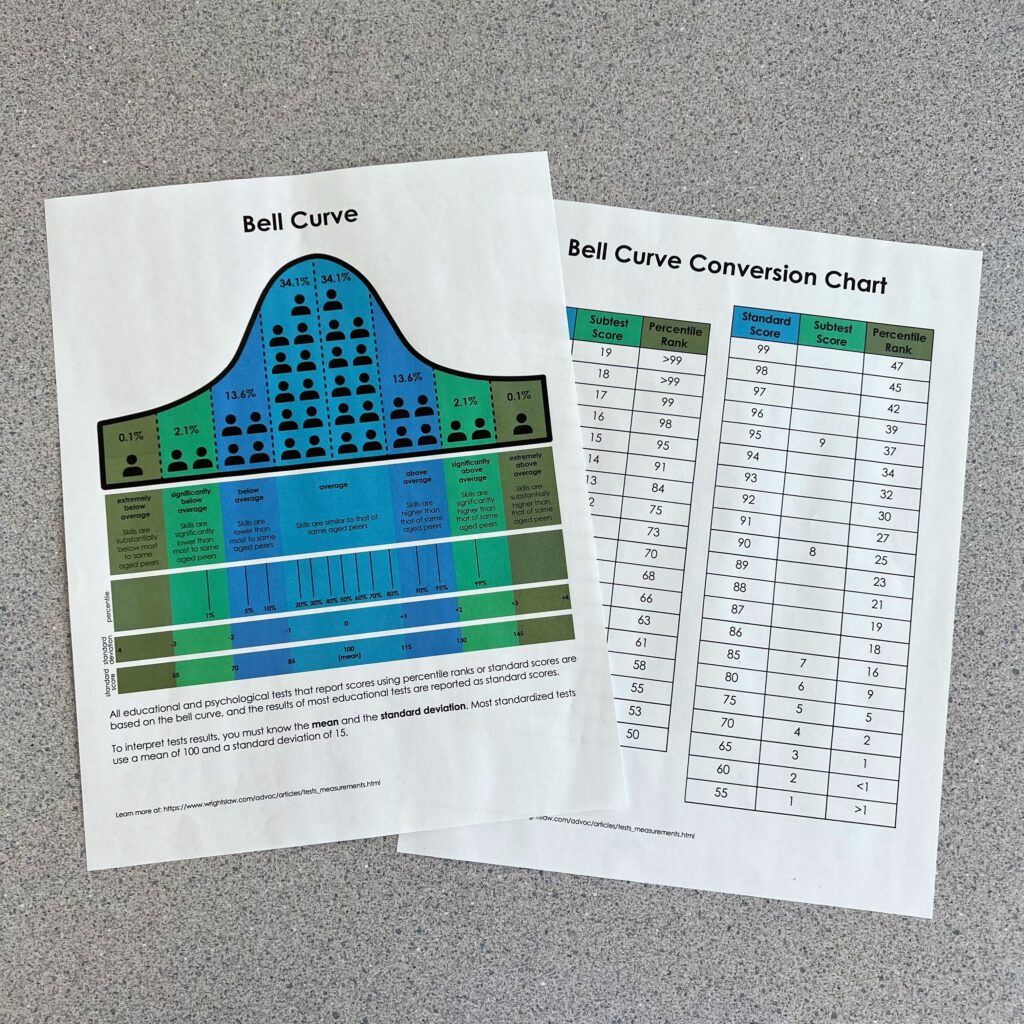
A cognitive assessment, like the WISC or DAS, is given by a licensed school psychologist. These take 1 to 2 hours and assess a student’s thinking and problem-solving skills, including memory, processing speed, and verbal reasoning. The results help determine if there’s a learning disability or other disability that affects learning.
A speech-language evaluation is conducted by a speech-language pathologist. It usually takes about 45 to 90 minutes and looks at expressive and receptive language, articulation, fluency, and social communication. These assessments help identify if speech or language is impacting learning or participation.
A behavior rating scale, like the BASC or Conners, is completed by teachers, parents, and sometimes the student. It takes about 15 to 20 minutes and provides insight into emotional, social, and behavior functioning. This type of data is helpful for identifying ADHD, anxiety, or other social-emotional needs.
A functional behavior assessment (FBA) is more in-depth and takes place over time. It’s often led by a behavior specialist or school psychologist. It includes observations, interviews, and data collection to figure out why a student is showing certain behaviors and what supports will help.
Why Knowing the Type of Assessment Matters
Not every tool fits every child. Some assessments are used for quick data collection. Others are used for deep understanding. When teams know the difference, they can make better choices about what information is really needed.
For parents, this clarity helps them feel more comfortable during the evaluation or re-evaluation process. For teachers, it ensures that time is spent gathering meaningful data, not just checking a box.
No single test can tell the full story of a student, and one test is only one data point. That’s why special education teams use many types of assessments to guide their decisions. From screeners to diagnostic tools, each piece of information helps build a clearer picture of how to support a child’s learning and growth.
When teams choose assessments with intention and understand what each one tells them, the IEP becomes stronger, more targeted, and more meaningful for the student it serves.
If every upcoming IEP sends you searching for the next goal, form, data sheet, training, or reminder, the problem probably isn’t that you need more resources. You need a better way to manage the process. The Intentional IEP System connects the tools, guidance, and workflows special educators need across the IEP lifecycle so you can stop managing IEPs one meeting at a time and start working more intentionally. See what intentional IEP management looks like →