
Chronic absenteeism and frequent tardiness can have a significant impact on a student’s academic progress, social development, and overall well-being. For students with disabilities, the reasons behind attendance issues may be directly related to their disability, requiring targeted support through the IEP (Individualized Education Program) process. As special education teachers, it’s our job to dig deeper, collaborate with families and teams, and create plans that not only acknowledge attendance challenges—but actively work to improve them.
In this article, we’ll explore how to address tardiness and attendance issues through IEP goals, accommodations, and supportive strategies that meet students where they are and help them build habits for long-term success.
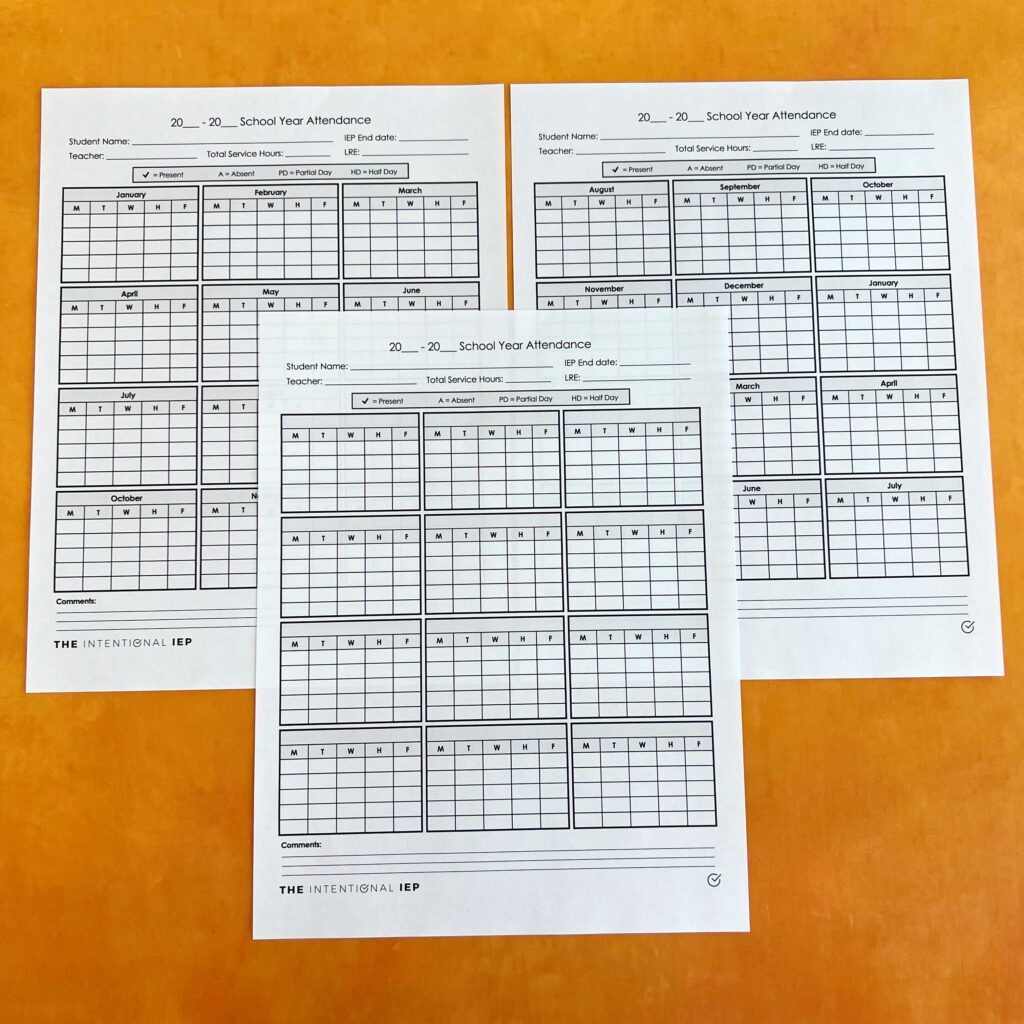
Why Attendance and Tardiness Matter in Special Education
While it’s easy to view attendance as an administrative concern, the truth is that for many students, it’s a reflection of deeper needs that are going unmet. Inconsistent attendance can disrupt the continuity of instruction, delay progress on IEP goals, and limit opportunities for peer interaction. For students who already face barriers due to a disability, these disruptions only widen the gap.
Whether a student struggles with anxiety, executive functioning deficits, transportation logistics, chronic illness, or other disability-related challenges, it’s critical to approach attendance issues through a trauma-informed and individualized lens.
When Can Attendance Be Addressed in an IEP?
Not every student who struggles with attendance needs it formally addressed in their IEP—but if there is a consistent, disability-related pattern impacting access to education, then yes: it can and should be addressed.
You might consider including attendance-related supports when:
- The student has missed 10% or more of the school year.
- There is a known disability-related cause, such as anxiety, ADHD, or autism.
- The student requires help with executive functioning tasks like time management or transitions.
- The team sees a pattern of tardiness due to difficulties with morning routines, transportation, or behavior regulation.
- Parent communication and problem-solving have not resolved the issue.
Remember, the purpose of the IEP is to provide access to the general education curriculum. If tardiness or absenteeism is a barrier to that access, it’s time to bring it to the table.
Sample IEP Goals to Improve Attendance and Tardiness
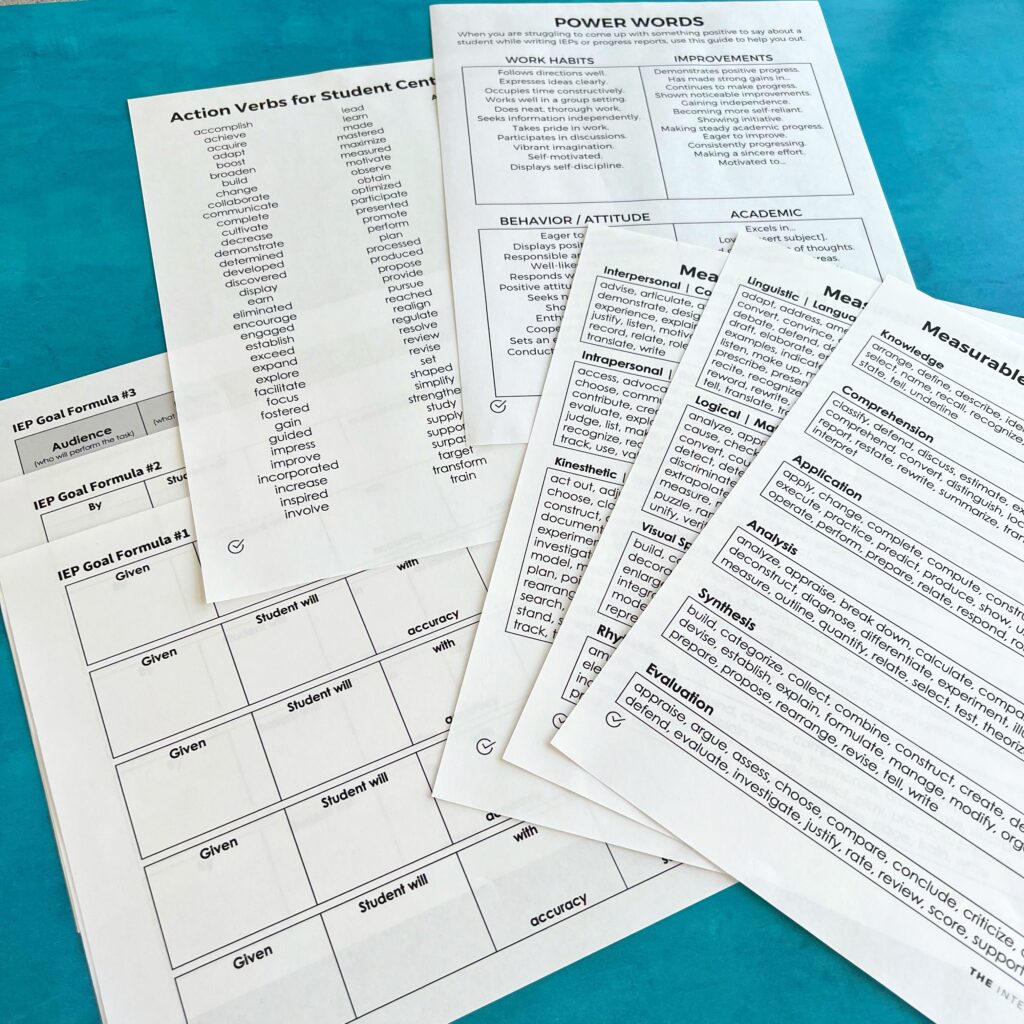
IEP goals should always be individualized and based on present levels of performance, but here are some examples to get your wheels turning:
Attendance-Focused Goals
- Given a visual calendar and weekly check-ins, the student will attend school at least 90% of instructional days over the next grading period, as tracked by attendance records.
- The student will participate in morning routine strategies (e.g., checklist, alarm, parent check-in) with 80% independence, resulting in improved on-time arrivals on 4 out of 5 days per week.
- With support from the school counselor, the student will identify three coping strategies to reduce school-related anxiety and will use at least one strategy during times of school refusal in 4 out of 5 instances.
Executive Functioning / Behavior Goals Related to Tardiness
- Given visual or auditory reminders, the student will arrive at class within 3 minutes of the bell in 80% of transition opportunities.
- With adult support, the student will develop and follow a personalized morning routine that includes 4 out of 5 identified tasks (e.g., dressing, eating, backpack ready) on time for school departure, in 80% of school days.
- The student will engage in self-monitoring using a behavior chart or app to track on-time arrivals and reflect on progress weekly with a staff member.
These goals work best when they are paired with accommodations and consistent communication among the school, the family, and the student.
Accommodations to Address Attendance and Tardiness
Accommodations should remove barriers to attendance and timeliness without lowering expectations. Below are some ideas that can be tailored to each student:
Environmental Supports
- Preferential drop-off arrangements (e.g., early drop-off, specific entrance)
- Access to a calm-down area before transitioning to class
- Modified schedule to reduce overwhelming transitions or long days
Organizational Tools
- Visual schedule or checklist for morning routines
- Timers or smart devices with alarms for wake-up and departure cues
- Daily home-school communication log to reinforce patterns and support
Instructional Supports
- Flexible deadlines for students with documented mental health needs
- Opportunities to complete missed work during school hours (study hall, resource period)
- Make-up sessions for missed therapies or services
Behavioral Supports
- Positive reinforcement for on-time arrival (e.g., sticker chart, breakfast club, raffle ticket system)
- Social stories or scripts to reduce anxiety around the school day
- Check-in/check-out with a trusted adult for motivation and accountability
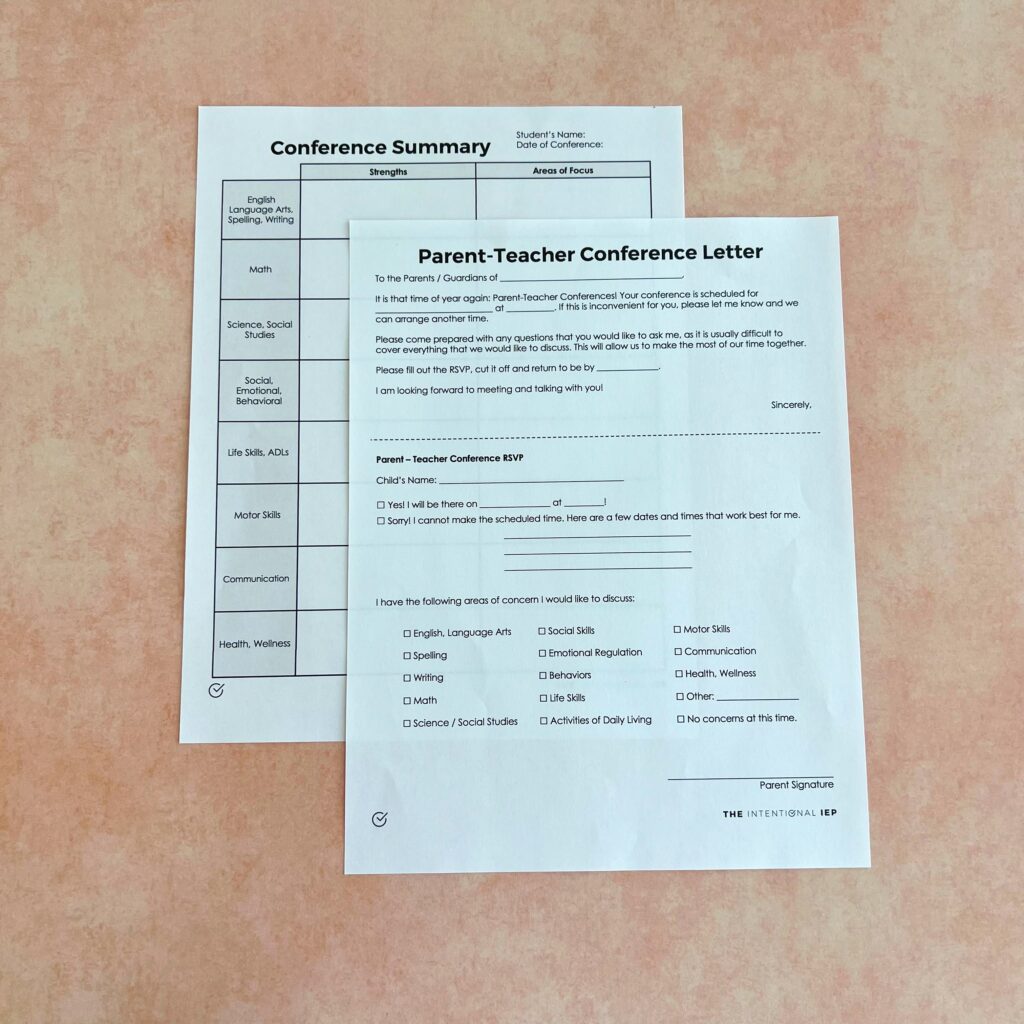

Collaborating With Families and the IEP Team
Families are key players in solving attendance challenges. During the IEP meeting, it’s important to:
- Ask open-ended questions about the student’s routines at home.
- Work together to identify disability-related causes.
- Make sure everyone agrees on a realistic plan and how progress will be measured.
Some families may feel shame or frustration around attendance struggles, especially if they’ve been approached punitively in the past. Lead with compassion, curiosity, and a team-based mindset.
Monitoring Progress and Adjusting Supports
Once goals and accommodations are in place, don’t forget to monitor! Collect data from attendance logs, check-in sheets, and even student self-reflections. If things aren’t improving, adjust the plan. Flexibility is key.
Some students may need to start with small wins, like arriving on time twice a week, and then build from there. Others may benefit from integrating social-emotional learning or mental health services into their support plan.
Something Isn’t Working
Tardiness and attendance issues are more than just logistical concerns. For many students in special education, they are clear indicators that something isn’t working—and they deserve a thoughtful, individualized response.
With the right IEP goals, targeted accommodations, and a team willing to understand the “why” behind the behavior, we can create school routines that feel safe, manageable, and empowering.
Because at the end of the day, the goal isn’t just for students to show up… it’s for them to thrive once they do.

Writing IEPs doesn’t have to be overwhelming! The Intentional IEP gives you the tools, training, and resources to turn IEP chaos into clarity. With access to 10,000+ data-backed, standards-aligned goals, expert-led trainings, and ready-to-use data collection tools, you’ll save time, reduce stress, and feel confident in every IEP you write. Join today and transform your IEP process!