
IEP meetings. Parent-teacher conferences. Emails home about behavior or progress. On the surface, they’re professional conversations. But underneath? There’s often fear. Frustration. Anxiety. Overwhelm.
Parents walk into meetings carrying their child’s entire story — the diagnoses, the late-night worries, the therapies, the wins, the setbacks. And sometimes, what they’re carrying doesn’t feel understood.
If we truly want strong school-home partnerships, we have to understand what parents are worried about, even when they don’t say it out loud. Here are seven things parents are concerned about that they want us to know, and what teachers can do to support them.
1. “I Don’t Want to Be Treated Like I’m Ignorant.”
Many parents feel talked down to in IEP meetings. Being called “Mom” instead of their name. Having information oversimplified. Being dismissed when asking questions.
Parents are equal members of the team. They are not spectators.
How Teachers Can Support This Concern:
- Address parents by their name.
- Avoid educational jargon and acronyms without explanation.
- Ask, “Does that make sense?” instead of assuming it doesn’t.
- Pause and invite input before moving on.
Respect goes a long way. So does humility.
2. “Please Actually Listen to My Data.”
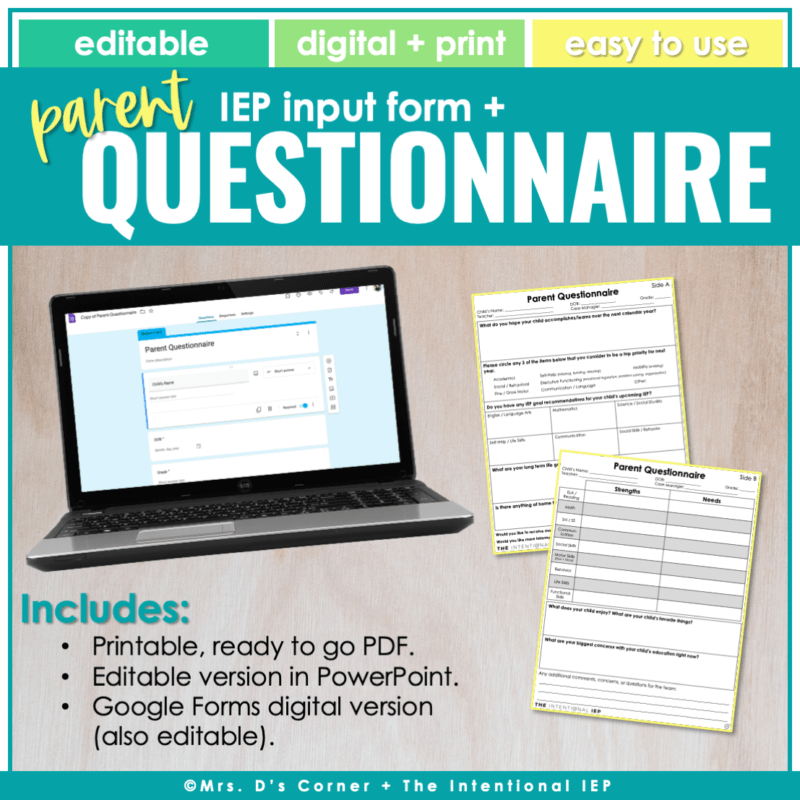
Parents often bring outside evaluations, observations, therapy reports, and lived experience. They don’t want it merely “considered.” They want it integrated. When data parent’s bring to the IEP table is ignored, it feels like their voice doesn’t matter.
How Teachers Can Support This Concern:
- Refer directly to parent-provided information during the meeting.
- Ask follow-up questions about what works at home.
- Acknowledge patterns parents see that may not show up in school.
- Document how parent input influenced decisions.
3. “Just Because You Don’t See It at School Doesn’t Mean It’s Not Real.”
Masking is real. Cognitive load is real. Holding it together all day and collapsing at home is also very real. When schools dismiss behaviors because they don’t observe them during the school day, parents feel blamed.
How Teachers Can Support This Concern:
- Ask about after-school patterns.
- Consider the full-day experience of the child.
- Offer proactive supports like brain breaks, sensory tools, or workload adjustments, even if behaviors are subtle.
- Avoid framing home struggles as parenting issues.
4. “Are You Writing IEP Goals That Actually Make Sense?”
Parents notice when IEP goals are vague, unmeasurable, or clearly rushed. They also notice when interventions are not explained.
An IEP is not just a bunch of random papers stapled together. It’s a child’s educational plan.
How Teachers Can Support This Concern:
- Ensure IEP goals are measurable and baselined before finalizing.
- Explain how the skill will be taught and how it will be implemented, don’t just repeat what the IEP goal says.
- Share frequency of intervention.
- Invite feedback on draft goals before the IEP meeting if possible.
5. “I’m Intimidated.”
IEP meetings can feel overwhelming. Multiple professionals. Acronyms. Legal language. Potential power dynamics. All of this can make some parents scared to ask questions. Others feel they must bring stacks of paperwork just to be taken seriously.
How Teachers Can Support This Concern:
- Start IEP meetings with strengths.
- Clearly outline the agenda at the beginning.
- Pause and ask, “What questions do you have?”
- Normalize questions and advocacy.
- Reassure parents that their input is welcome.
6. “Will the Accommodations Actually Be Implemented?”
Parents worry that accommodations are treated like suggestions instead of necessities.
They also worry that diagnoses are not fully understood, especially when disabilities are complex or less common.
How Teachers Can Support This Concern:
- Review accommodations with all staff working with the student.
- Seek professional learning when unfamiliar with a diagnosis.
- Communicate clearly about how supports are being implemented.
- Follow up if something isn’t working.
7. “Do You Truly Value My Child?”
This one sits underneath everything else.
Parents can feel when a teacher views their child as a burden. They can also feel when their child is seen, valued, and celebrated.
The difference changes everything.

How Teachers Can Support This Concern:
- Share genuine positives regularly.
- Highlight growth, even small wins.
- Speak about the child as capable.
- Approach differences with curiosity instead of frustration.
Mindset matters more than we realize.
Most parents are not looking for a fight, they are looking for partnership. Parents want honest communication, respect, follow through, collaboration, and a little bit of hope.
When teachers approach meetings with compassion and openness, walls come down. And when families feel heard, the focus shifts back where it belongs — on supporting the child. Because at the end of the day, everyone in the room wants the same thing: to help the child succeed.

Your district’s IEP platform gives you a place to document the IEP. The Intentional IEP System was built for the work happening around it. Created by a veteran special educator, the system brings together practical workflows, professional guidance, screeners, goals, data tools, planning support, and more to help you confidently manage the IEP process without handing your professional judgment over to software. Explore the educator-led IEP management system →