
Transitioning from high school to the world can be a stressful thing for many students. Going from a setting where decisions are made for them and things are readily provided to the outside world where they must be able to fend for themselves or with limited assistance is scary.
That’s why having solid transition services in place during the high school years is so important.
Transition Resources
What are transition services? According to IDEA, transition services are defined as:
(a) Transition services means a coordinated set of activities for a child with a disability that—(1) Is designed to be within a results-oriented process, that is focused on improving the academic and functional achievement of the child with a disability to facilitate the child’s movement from school to post-school activities, including postsecondary education, vocational education, integrated employment (including supported employment), continuing and adult education, adult services, independent living, or community participation;(2) Is based on the individual child’s needs, taking into account the child’s strengths, preferences, and interests; and includes—(i) Instruction;(ii) Related services;(iii) Community experiences;(iv) The development of employment and other post-school adult living objectives; and(v) If appropriate, acquisition of daily living skills and provision of a functional vocational evaluation.(b) Transition services for children with disabilities may be special education, if provided as specially designed instruction, or a related service, if required to assist a child with a disability to benefit from special education.
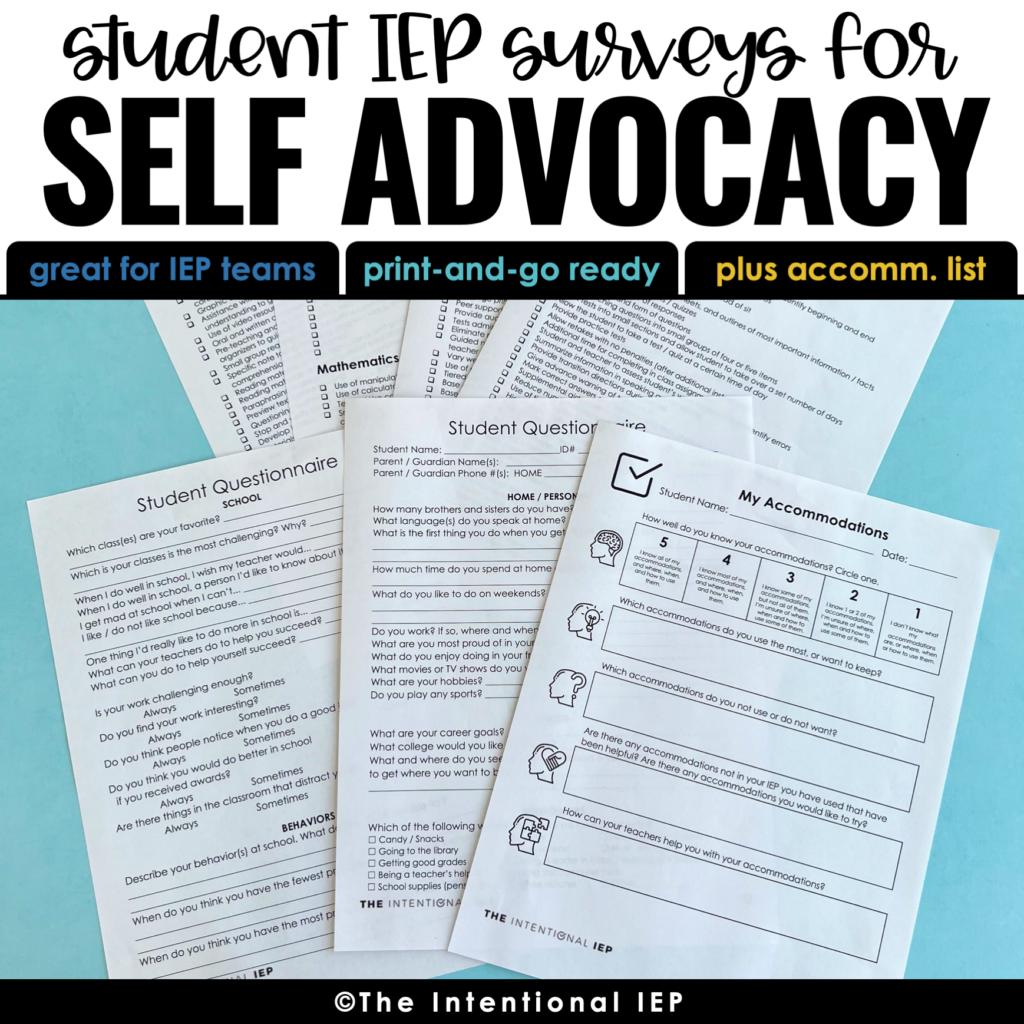

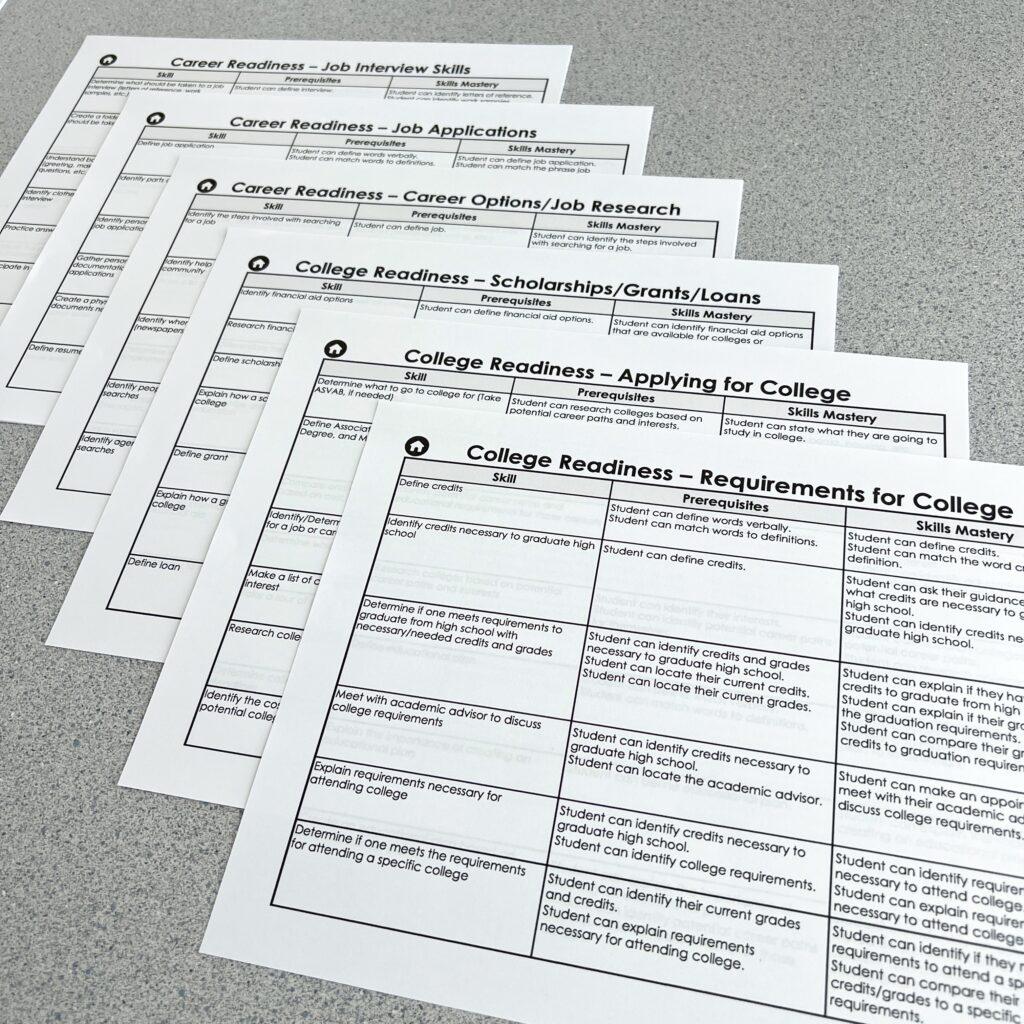
Here are some resources to make solid transition services in the Transition IEP happen:
Transition Coalition
The Transition Coalition is an organization that is dedicated to helping transition coordinators maximize the services their schools provide and make sure that their students are getting the support they need to be able to transition. You can find products, materials, and presentations, as well as ideas and information that can be used in the classroom.
NTACT:C
The National Technical Assistance Center on Transition: The Collaborative (NTACT:C) is a collaboration between the U.S. Department of Education’s Office of Special Education Programs (OSEP) and the Rehabilitation Services Administration (RSA) to support those who deliver transition services to special education students. There is information and resources for everything from family relationships to diversity equity inclusion and more. They also offer training that can help teachers become more effective and efficient when providing transition services.
National Center on Secondary Education and Transition (NCSET)
NCSET has information and resources for career guidance, graduation requirements, and more. They are not limited to secondary education and offer resources for post-secondary students as well. Although the site has not been updated for a couple of years, the information is still relevant and helpful.
Your Free Career Test
One of the most challenging parts of graduation for any student is knowing what direction they want to take in college or in their career. Figuring out what they want to be is hard! The free career test on Your Free Career Test allows students to explore a variety of career options based on their interests and aptitudes. It is free and there is no registration required.
Work Support
WorkSupport.com is run by Virginia Commonwealth University with the mission of providing resources for those with and who teach those with disabilities. They have a variety of transition resources, as well as, other IEP and special education information.
Brigance Transition Skills Inventory
Used by transition coordinators and special education teachers around the world, the Brigance Transition Skills Inventory is an inventory that focuses on many different aspects of a student’s capabilities. It includes everything from academics to development so that teachers can get a good understanding of where a student is in terms of being able to effectively transition after high school.
With students needing so many different types of services and supports as they transition from high school to the outside world, it’s important to have a strong curriculum and detailed resources in your teacher toolkit. The sites above can help you get started and provide your students with information about what they might like to do after they graduate.
Your district’s IEP platform gives you a place to document the IEP. The Intentional IEP System was built for the work happening around it. Created by a veteran special educator, the system brings together practical workflows, professional guidance, screeners, goals, data tools, planning support, and more to help you confidently manage the IEP process without handing your professional judgment over to software. Explore the educator-led IEP management system →