
Individualized Education Programs (IEPs) are designed to meet the unique needs of students with disabilities, ensuring that they receive the appropriate educational support and services. One crucial aspect of creating an effective IEP is understanding the student’s individual interests, preferences, and strengths.
This is where student interest surveys play a vital role.
What are Student Interest Surveys?
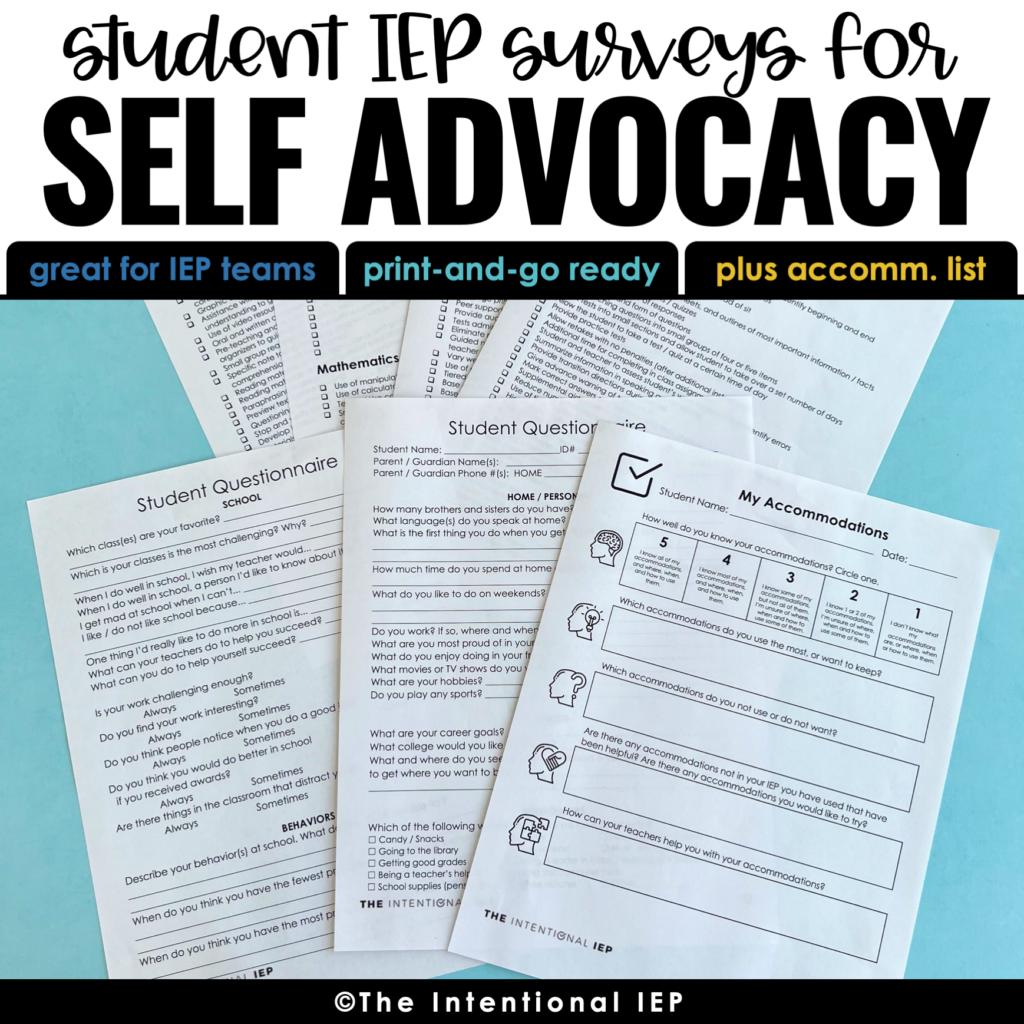
Student interest surveys in special education are tools used by teachers to gather information about the specific interests, preferences, and strengths of students with special needs.
These surveys are designed to help teachers better understand each student’s individual preferences, learning styles, and motivations.
By using student interest surveys, teachers can gain valuable insights into the types of activities, materials, and learning experiences that can best support and engage their students with special needs. This information can then be used to tailor instruction, develop personalized learning plans, and create a more inclusive and effective learning environment for students in special education.
Keeping the IEP Individualized
The essence of an IEP lies in its individualization. Each student has distinct learning styles, interests, and motivations, and a one-size-fits-all approach simply does not work. By incorporating student interest surveys into the IEP process, educators can gain valuable insights into what makes each student tick.
This understanding allows for the customization of educational goals, strategies, and accommodations to suit the unique needs of the student.
Pinpointing Areas and Methods for Engagement
Student interest surveys provide a window into the student’s world, revealing their passions, hobbies, and preferences. By analyzing the data gathered from these surveys, educators can pinpoint specific areas of interest that can be integrated into the student’s learning experiences.
For example, if a student expresses a keen interest in music, incorporating musical elements into lessons can enhance their engagement and enthusiasm.
Similarly, if a student shows a preference for visual learning, incorporating visual aids and activities can optimize their learning experience.
Ultimately, student interest surveys can uncover methods of instruction that resonate with the student. For instance, a survey may reveal that a student responds well to hands-on activities or prefers collaborative learning environments. Armed with this information, educators can tailor their teaching methods to align with the student’s preferences, fostering a supportive and inclusive learning environment.

On the flip side of that, a student might indicate that he does not like working in groups and that doing things like oral presentations increases his anxiety and stress levels. This is valuable information because it helps teachers in both the special ed classroom and the integrated general ed classroom to provide alternate assignments and instruction so that the student can succeed.
Holistic Approach to Personalized Education
Using student interest surveys is an integral part of taking a holistic approach to crafting an IEP. It allows educators to view the student in a first-person way, acknowledging their unique identity, preferences, and aspirations. The student becomes a person and not just a case number.
By incorporating the student’s voice and choices into the IEP process, educators demonstrate a genuine commitment to understanding and meeting the student’s needs.
Where to Find Student Interest Surveys to Use in Special Ed
The Intentional IEP Membership Resource Library has student interest surveys that can make it easy to ask for and receive information about what your students like and dislike. Not a member yet? Join here!
- You can also download a student questionnaire form from our sister site, Mrs. D’s Corner, here.
Student interest surveys are invaluable tools in the development of individualized education programs. By leveraging the insights gained from these surveys, educators can create IEPs that are tailored to each student’s interests, motivations, and learning styles.
This approach not only enhances student engagement and enthusiasm but also fosters a sense of empowerment and inclusivity within the educational environment. Ultimately, using student interest surveys is not just about writing IEPs; it’s about recognizing and honoring the unique identity of each student as they embark on their educational journey.
If every upcoming IEP sends you searching for the next goal, form, data sheet, training, or reminder, the problem probably isn’t that you need more resources. You need a better way to manage the process. The Intentional IEP System connects the tools, guidance, and workflows special educators need across the IEP lifecycle so you can stop managing IEPs one meeting at a time and start working more intentionally. See what intentional IEP management looks like →