
In a thriving special education setting, collaboration is everything. But strong collaboration doesn’t just happen—it’s built on relationships, communication, and mutual respect. One of the most important (and sometimes overlooked) relationships in this work is between special education teachers and related service providers.
Speech-language pathologists, occupational therapists, physical therapists, school psychologists, social workers, and adaptive PE teachers are essential parts of the IEP team. Including service providers is not just checking boxes in your IEP system, it’s truly helping students access their education and meet their IEP goals.
If you’re looking to strengthen your working relationships with these professionals, here are practical tips for building positive, lasting rapport with your related service providers.

Understand Their Role and Workload
Start with Respect
One of the most important ways to build trust with related service providers is to understand, at least try to understand, the scope of their job. Many providers serve multiple schools, sometimes covering five or more campuses in a week… and multiple campuses in one day. Their schedules are tight, their caseloads are extremely large, and their paperwork is just as heavy as yours.
Acknowledging that they’re juggling a lot, and respecting the time they carve out for your students, goes a long way. Rapport begins when we see each other as professionals doing hard, meaningful work.
Be Flexible When You Can
Flexibility is a small act that yields big results. If a provider needs to reschedule a session or adjust a service time, try to accommodate when possible. That doesn’t mean letting go of your boundaries—but meeting others halfway shows that you value their presence and trust their priorities.
Build Community Beyond the Classroom
Eat Lunch Together or Chat Between Classes
If your schedule allows, spend a few minutes connecting on a personal level. A quick chat in the hallway, grabbing lunch together, or simply checking in on how their day is going helps create a more natural, collegial bond. Related service providers are often on the move and can feel disconnected from the school community. Making them feel welcome and seen matters.
Join Committees or Events Together
Participating in school-wide committees, Spirit Weeks, or community events together builds camaraderie and helps everyone feel like part of a larger team. When providers see you engaged in the wider school community, it can open the door for connection and mutual respect.
Collaborate with Intention
Incorporate Their Goals in the Classroom
One powerful way to show support is by integrating related service goals into your classroom routines. Whether it’s fine motor practice from the OT, speech strategies from the SLP, or movement breaks from the PT, using their recommendations during the school day reinforces their work and helps students generalize skills.
You don’t need to run a therapy session—just show that you’re trying. When providers see that their input is valued and applied, it deepens the professional connection.
Ask for Advice—And Actually Use It
Sometimes, rapport is built simply by asking, “What would you recommend?” Then, taking their advice and following through. This shows that you respect their expertise and are open to new ideas. Even if something doesn’t work perfectly, circling back and saying, “Hey, I tried this—do you have a different suggestion?” shows a willingness to collaborate.
Plan Occasional Group Lessons
You don’t need to co-teach all the time to build rapport—but planning an occasional group activity that incorporates both of your expertise (especially around holidays or school events) can create a positive shared experience. It also lets students see adults modeling teamwork, which is always a win.
Communicate Consistently (and Kindly)
Keep the Lines of Communication Open
Quick check-ins, friendly emails, or shared documentation can help everyone stay in sync. If a student is having a rough week or showing progress, let the provider know. It builds trust when they’re looped into what’s happening between sessions.
Be Clear About Needs Without Demanding
If something’s not working or a student’s schedule needs adjusting, approach the conversation with clarity and kindness. “Can we problem-solve this together?” goes a lot further than “This isn’t working—you need to change it.”
Related service providers are more likely to work collaboratively when the tone stays respectful and centered on the student.
Remember You’re On the Same Team
Focus on Shared Goals
It’s easy to get caught up in logistics and frustrations, but at the end of the day, special educators and related service providers want the same thing: for students to learn, grow, and thrive.
When tensions arise, return to that common ground. Remind each other, “We’re both here for this student.” Framing conversations around shared purpose diffuses conflict and strengthens rapport.
Let Go of Perfection
Not every provider will approach things the way you would. Personalities, communication styles, experiences, professional opinions, and preferences will differ. Stay open-minded and give grace when things aren’t perfect. Some partnerships take time to develop and that’s okay.
Advocate for Your Students, Not Against Each Other
If a provider isn’t following through or seems disengaged, it’s okay to speak up, but do so in a way that centers student needs. Rather than approaching it from a place of blame, try saying: “I’ve noticed hasn’t had consistent sessions. I want to make sure we’re all supporting them as best we can. What’s going on, and how can I help?” This keeps the focus on the student, not the conflict.
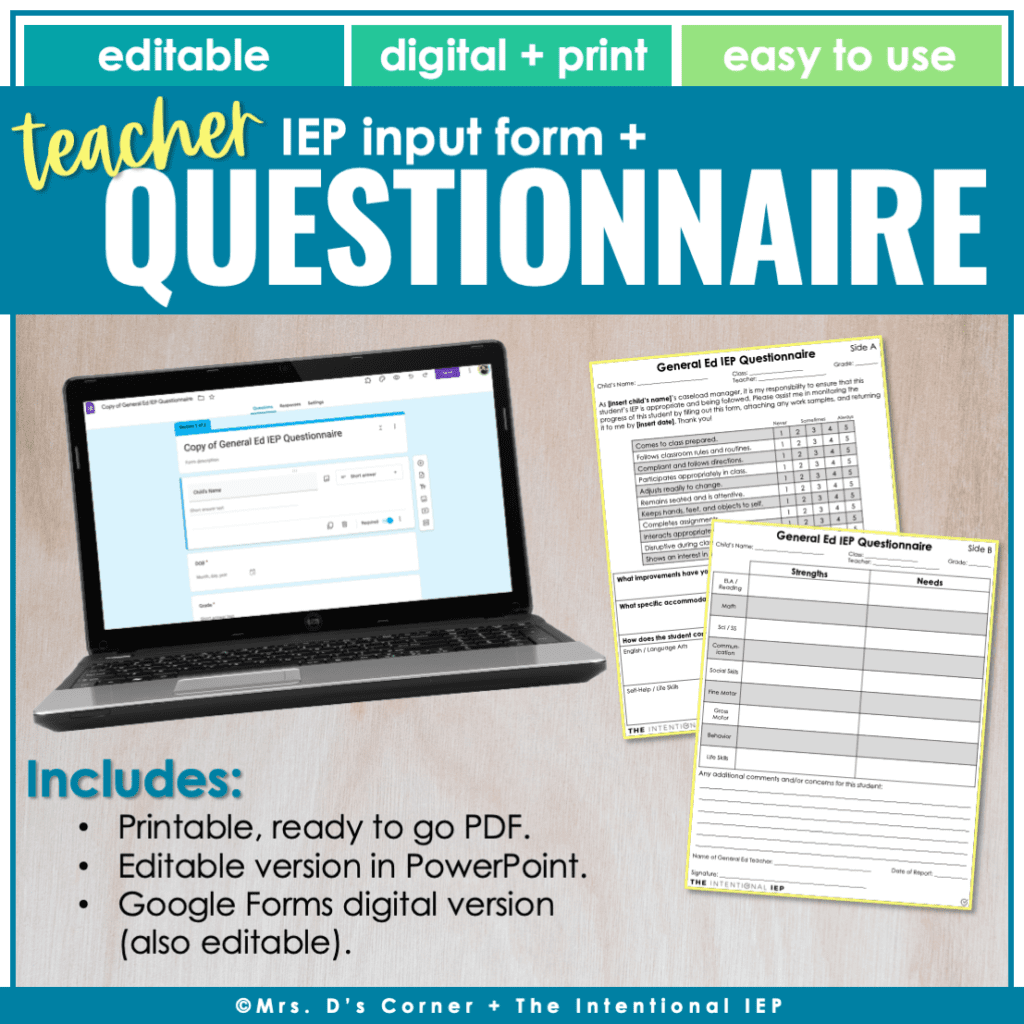
You can also have related service providers check in and check out when they come to your room to work with a student. This helps you keep track of service times and have clear data on who is and is not receiving all of their service minutes.
- Try our free form to keep track of service times.
Strong relationships with related service providers don’t just improve your day-to-day, they ultimately improve outcomes for your students. When students see adults collaborating, respecting each other’s roles, and working as a team, it creates a more supportive, unified environment for learning.
So whether you’re grabbing lunch together, looping their goals into your lessons, or just showing a little extra flexibility in your schedule, these small efforts can spark real connection.
At the heart of it all, rapport comes down to this: mutual respect, shared purpose, and kindness. And when those things are in place, the work we do together becomes not just easier, but more meaningful.
An IEP doesn’t begin when you open the document—and the work doesn’t end when everyone leaves the meeting. There’s baseline data to gather, decisions to make, goals to connect, timelines to manage, services to implement, progress to monitor, and adjustments to make along the way. The Intentional IEP System gives special educators one connected way to manage all of it. Build a better system for the IEP work you’re already doing →