
Have you ever looked at a student and thought, “They know what to do, so why can’t they do it?”
That question often surfaces when a student struggles with emotional regulation, behavior, or executive functioning. But what looks like refusal, defiance, or maybe even a lack of effort may actually be a student who cannot yet access the skills they need in that moment.
Because self-regulation isn’t something students must master before they can learn. It is a skill they develop through supportive relationships, repeated practice, and meaningful learning experiences.
And that development begins with co-regulation.
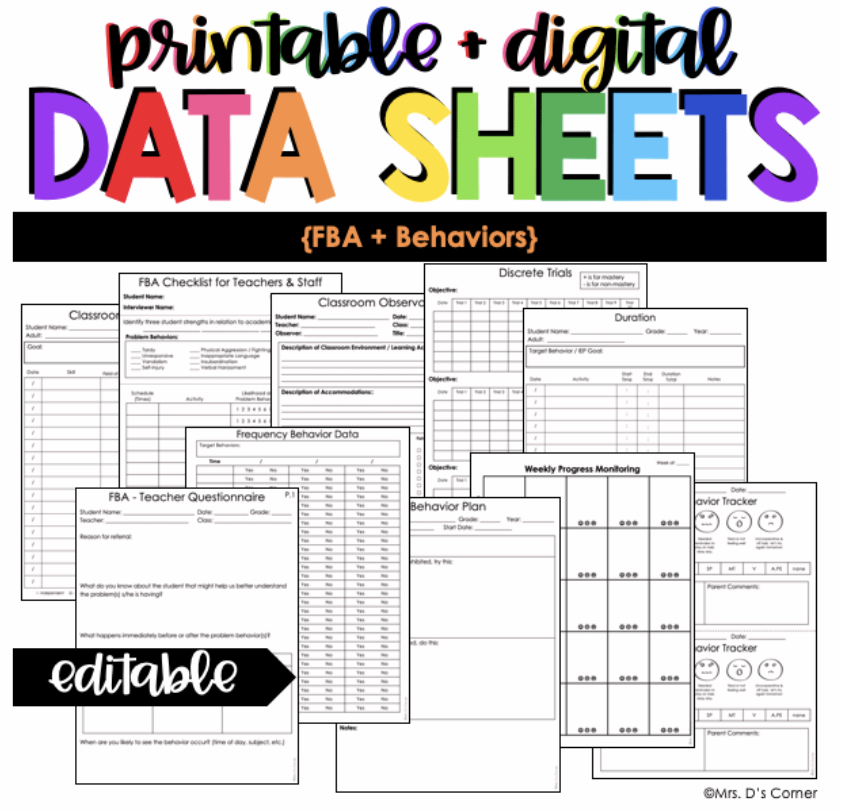
What Is Co-Regulation (Really)?
Co-regulation is the process by which an adult provides calm, structure, and support to help a student regulate their emotions, attention, and behavior. Over time, that external support becomes internalized.
In other words:
We lend students our nervous system before they can manage their own.
The goal is always to move from:
Co-regulation → Shared regulation → Independent regulation
But here’s the key: independence comes after support, not before.
The 3 Pillars of Effective Co-Regulation
When co-regulation is working well, it’s usually because these three pillars are present. This makes regulation visible and teachable.
1. Warmth and Connection
Students regulate best when they feel safe.
This looks like:
- A calm, neutral tone (even when behavior is not okay)
- Open body language and appropriate proximity
- Consistent, predictable adult responses
Sometimes the most powerful co-regulation tool is simply staying with a student instead of sending them away.
2. Modeling and Teaching Regulation
Students can’t use strategies they’ve never seen.
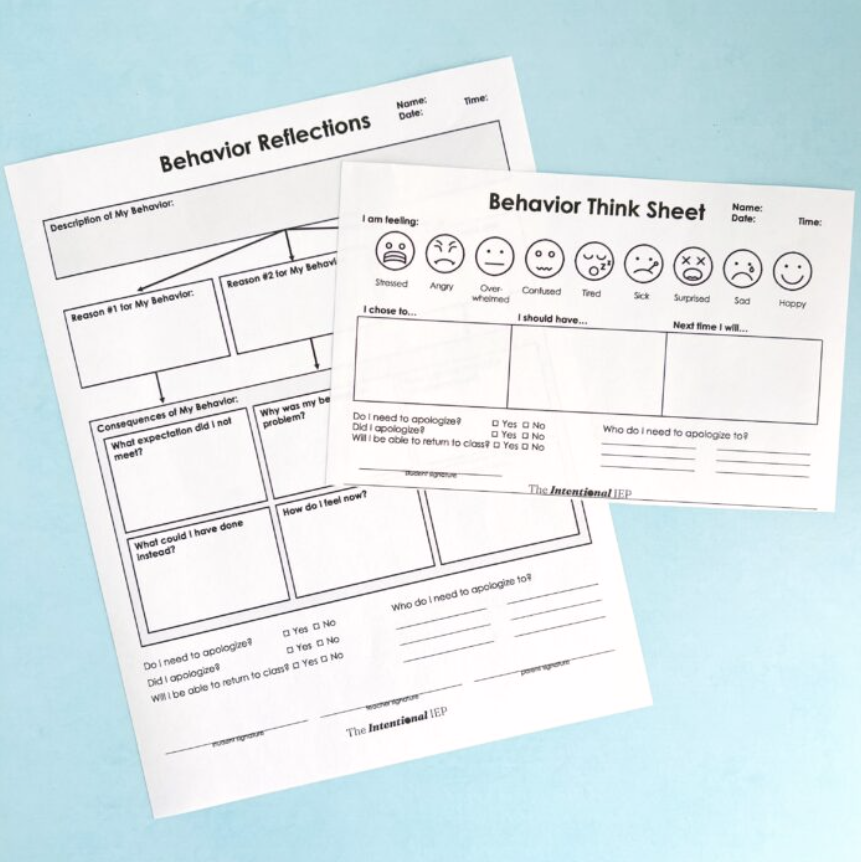
One of the most underused techniques? Narrating your own regulation.
“I need to slow my body down. Watch how I stretch and reset.”
“I’m feeling frustrated, so I’m going to take a breath before I respond.”
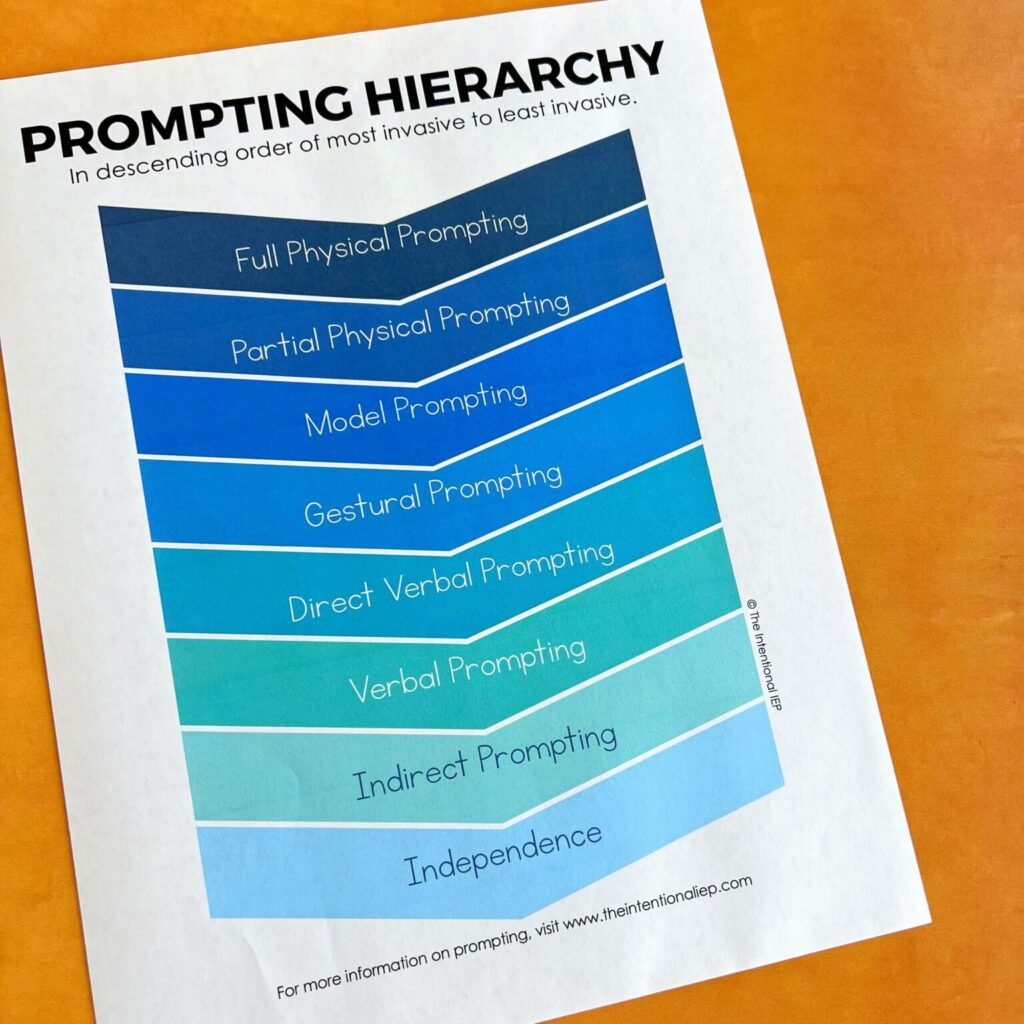
3. Scaffolding and Support
When a student is dysregulated, this is not the moment to pull support.
Scaffolding might include:
- Visual reminders
- Verbal prompts
- Access to tools (movement, breathing, breaks)
Support fades after the skill strengthens, not during the struggle.
Grab the FREE Prompting Hierarchy poster here.
Tiered Co-Regulation Strategies (Yes, for All Students)
One common misconception is that co-regulation is only for students with behavior plans or significant behavioral needs. In reality, every student benefits from having calm, responsive adults who help them recognize emotions, manage stress, and work through difficult moments.
Co-regulation should exist across all tiers of support – from the predictable routines, clear expectations, and emotionally safe relationships provided to every student, to more targeted or individualized strategies for students who need additional support. It is not simply an intervention used after behavior escalates. It is a proactive, everyday practice that helps students gradually build the skills to regulate more independently.
Tier 1: Universal Supports
These strategies benefit everyone:
- Greeting students by name
- Class-wide brain breaks every 20–30 minutes
- Emotion check-ins or feeling charts
- Short, predictable calming routines
When co-regulation is normalized, it reduces stigma and increases buy-in.
Tier 2: Targeted Supports
For students who need more:
- Calm corners or regulation stations
- Choice-making to increase control
- Pre-corrects before known triggers
- Peer or adult co-regulation support
These supports are proactive, not reactive.
Tier 3: Intensive Supports
For students with significant regulation needs:
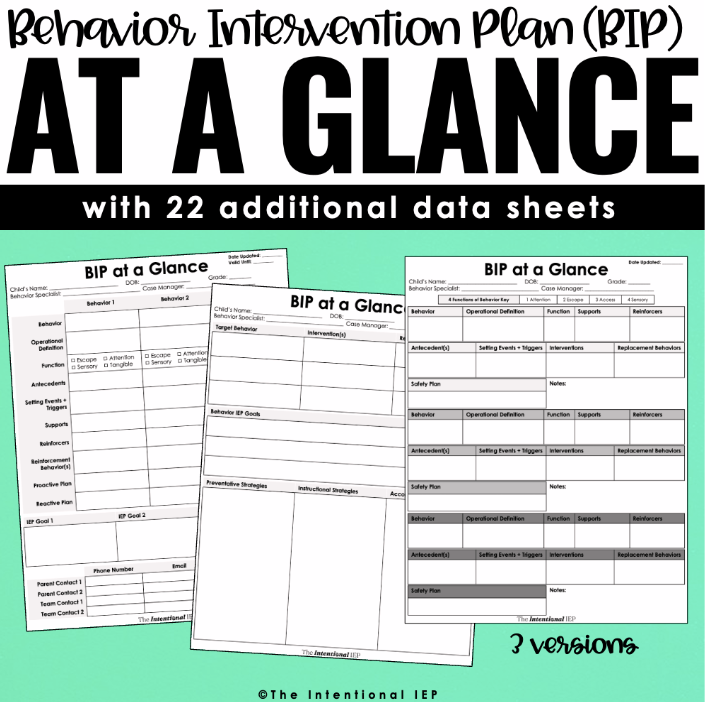
- Alignment with BIPs and related services
- Individualized co-regulation plans
- One-on-one coaching during calm moments
- Co-created scripts for escalation
This level is about skill-building, not compliance.
Co-Regulation Scripts You Can Use Tomorrow
When emotions are high, words matter, but so do tone, timing, and how much language we use. A student who is overwhelmed may not be able to process a lengthy explanation, answer multiple questions, or respond to a demand right away.
Short, calm, predictable phrases can reduce pressure, communicate safety, and help the student move through the moment without adding to the escalation. The goal is not to find a perfect phrase that immediately stops the behavior. It is to use language that keeps the student connected to a regulated adult while their nervous system begins to settle.
When a student is escalating:
- “I can see this is really hard right now. I’m here.”
- “Let’s pause together.”
- “You don’t have to do this alone.”
When a student is calming:
- “You used your strategy, and that helped.”
- “What do you notice about your body now?”
When modeling regulation:
“I’m making a plan so my brain feels organized.”
“I need to reset before I try again.”
Classroom Routines That Build Regulation Over Time
Co-regulation is most effective when it is woven into the everyday rhythm of the classroom rather than reserved for moments of distress. Morning emotional check-ins, regulation stations available to every student, intentional teacher modeling, and end-of-day reflections or closing circles create regular opportunities for students to notice, communicate, and respond to their emotions. Over time, these consistent routines reinforce that emotions are a normal part of the school day and that students can learn strategies for managing them with support.
Common Pitfalls (and Simple Fixes)
Pitfall: Expecting independence too soon
Fix: Remember regulation is developmental.
Pitfall: Using a punitive tone
Fix: Model the calm you want to see.
Pitfall: Saving co-regulation for “big behaviors”
Fix: Normalize it for everyone.
Pitfall: Skipping repair after escalation
Fix: Reflect together once calm is restored.
Try This Tomorrow
Co-regulation does not require a complete overhaul of your classroom routines. Start by choosing one small, intentional way to build it into the day. You might guide students through a one-minute breathing exercise after recess, briefly model how you manage your own frustration, or replace a direct command with two supportive choices.
Afterward, help students recognize what happened:
“We took a moment to reset together, and now our bodies and brains are more ready to learn.”
Small moments like these may not feel significant at first, but repeated experiences of regulation, connection, and support are how students gradually build the skills to navigate difficult moments more independently.
Co-regulation does not mean removing expectations or preventing students from experiencing challenges. It means giving them the support they need to move through those challenges successfully. Before students can consistently regulate on their own, they often need to experience what regulation feels like alongside a trusted adult.
With compassion, consistency, and intentional practice, that shared support gradually becomes a skill they can access more independently. We are not carrying students across the bridge, we are helping them learn how to cross it.
If every upcoming IEP sends you searching for the next goal, form, data sheet, training, or reminder, the problem probably isn’t that you need more resources. You need a better way to manage the process. The Intentional IEP System connects the tools, guidance, and workflows special educators need across the IEP lifecycle so you can stop managing IEPs one meeting at a time and start working more intentionally. See what intentional IEP management looks like →